
Background Scientific Research Information Facts; by edgardowelelo@yahoo.com, Master of the Game;
UPLANDS, DEPRESSIONS AND MOUNTAIN CHAINS (GEOGRAPHICAL FEATURES);
 The bedrock of Tanzania is hundreds of millions of years old, dating from the era when all the world’s land masses (continents) were joined together in one supercontinent known to geologists as PANGAEA (PANGEA). That situation prevailed for about 100 million years, until the component continents were separated into their current configuration about 250 million years ago. The movements of the Earth’s continents, or CONTINENTAL DRIFT, still continued, however, so that it is believed that Madagascar was separated from the African continent about 90 million years ago and that East Africa will be separated from the mainland as well in the course of time. The three (3) most essential geological features of Tanzania today are the East African Plateau, the GREAT RIFT VALLEY and the EASTERN ARC MOUNTAINS.
The East African Plateau is a vast upland or highlands stretching from Ethiopia in the north to Mozambique in the south. To the east of this lies the Indian Ocean, and to the west is the CONGO BASIN. This vast plateau covers practically the whole of Tanzania except for the COASTAL AREAS, as the land soon starts to rise as one moves inland. The plateau mostly has an elevation of 1000 to 1,500 metres, but the plains of the Serengeti ecosystem, for instance, lie at an altitude of over 1700 metres, as they are actually a part of the central plateau of northern Tanzania and southern Kenya, the elevation of which is somewhat higher than average. Having attained its present shape and position by 70 million years ago, the African continent developed a crack some 20 million years ago, the GREAT RIFT VALLEY, where the earth’s crust weakened and then split. The edges of this rift pulled apart and the land between sank, where upon HOT LAVA rising through fissures began to build volcanoes, a process which is still continuing today. The RIFT VALLEY mostly varies in width between 20 – 120 kilometres, and is mainly 200 – 600 metres deep, although the lowest points, such as the bottom of Lake Tanganyika, are up to two (2) kilometres deep. The rise of the volcanoes has been an essential part of the process of geological upheavals, but today most of the volcanoes are extinct or dormant, as is the case with Mt Kilimanjaro (5,895m), the highest peak on the African continent. The only living volcano in Tanzania is OLDOINYO LENGAI (2878 m), situated on the outernorth-eastern margin of the Ngorongoro Conservation Area Authority (NCAA).Most significantly, however, the sinking of the land surface is believed to be continuing in the form of pulse – like events, so that East Africa will eventually be separated from the mainland along the line of this rift valley. The most significant part of the GREAT RIFT VALLEY, which in its totality stretches from TURKEY to MOZAMBIQUE, is the EAST AFRICAN RIFT VALLEY, 5600 (sometimes more than 6500) kilometres in length, running from southern Ethiopia down the eastern part of Africa. In East Africa this valley divides in two, forming the Western Rift Valley and the Eastern Rift Valley, both of which extend into Tanzania as well. The western valley passes to the west of Lake Victoria (Nyanza), from where it continues south through Lake Tanganyika and Lake Nyasa (Lake Malawi). The last section of the Eastern Rift Valley, to be found in Kenya and northern Tanzania, is called as the Gregory Rift.in Tanzania this valley runs east of the Ngorongoro Conservation Area Authority (NCAA) and Manyara National Park, both of which are characterized by a single sheer, cliff – like rift wall on one side. Both the Manyara and Tarangire National Parks lie at the bottom of the Rift valley, at an altitude of 900 – 1000 metres.
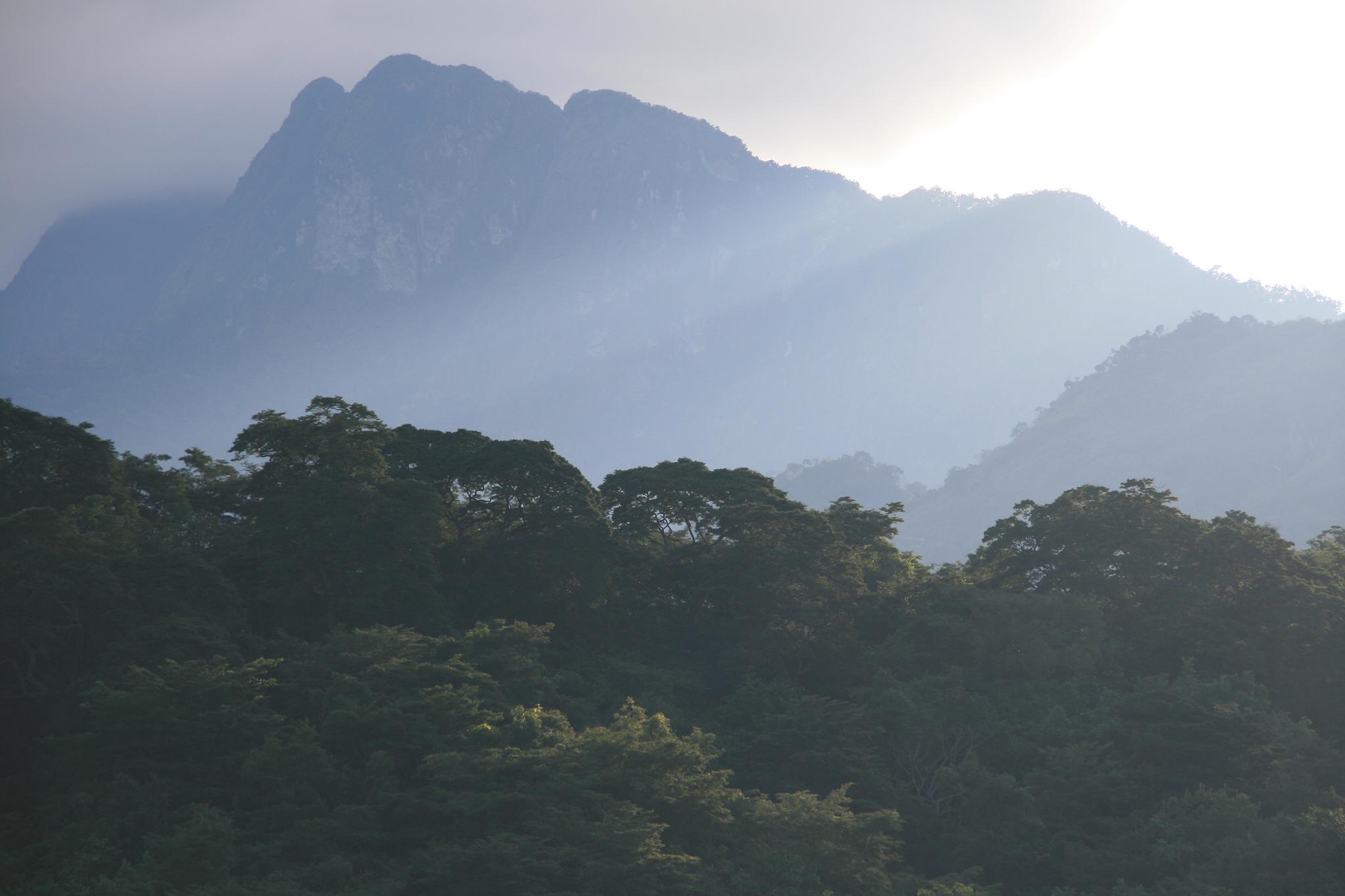 The EASTERN ARC MOUNTAINS constitute a chain of ancient crystalline Precambrian basement mountains uplifted at least 25 million years ago that cross the whole of Tanzania on a south – north – south axis, while the northernmost individual mountains of the chain are situated in southern Kenya and corresponding formations at the southern end are to be found in Malawi. In Tanzania the mountains stand in a massive line between the coastal lowland and the East African Plateau. Consequently, the humid eastern slopes of the Eastern Arc Mountains, which are under direct climaticinfluence from the Indian Ocean, rise up as steep walls from the coastal lowlands lying at an altitude of 200 – 500 metres, whereas the western slopes are more or less in the rain shadow and are either steep as well or die out gradually towards the East African plateau.Several peaks in this mountain chain rise to elevations of 2200 – 2500 metres, and the summit of the highest peak, Mt Mtorwi in southwestern Tanzania, is 2,962 metres above sea level. In the course of time individual blocks characteristically covered by dense forests have actually became isolated from their neighbours, allowing evolution to lead to an exceptionally high rate of species endemism.Generally, apart from EASTERN ARC MOUNTAINS, the Kitulo Plateau National Park, with an average altitude of 2700 metres, lies on Tanzania’s Southern Highland, while Mkomazi, Saadani and Mikumi National Parks and the Selous Game Reserve and, Nyerere National Park are similarly not situated in the East African Plateau (having basic altitudes of 0 -700 m). The other remaining reserves are located on the plateau, although admittedly the Gombe Stream and Mahale Mountains (Kigoma Region) are situated on the extreme western edge,while the south – eastern parts of the Ruaha National Park – including the valley of the GREAT RUAHA RIVER, lie at the foot of the plateau.
THE WATER SYSTEMS OF TANZANIA (BUT UNEVENLY DISTRIBUTED)
 The water systems of Tanzania are relatively few in number compared with the other African countries around the same latitude. The Great Lakes Victoria (Nyanza) and Tanganyika respectively, and also Lake Nyasa (Malawi), are situated on the periphery of the country,and there are no large watercourses in the vast inland areas except for the RUFIJI RIVER and some smaller waterways such as the Malagarasi River in the west of the country and the Pangani River (Tanga Region) in the north – east. The scattered lakes in the interior of the country are almost without exception either somewhat alkaline (pH,that is hydrogen ion concentration) or, in the case of the lakes along the GREAT RIFT VALLEY, exceedingly alkaline due to the high concentration of sodium carbonate (Na2 Co3) in the soil, so that they are referred to as either soda lakes or salt lakes.
It is characteristic of the RIFT VALLEY LAKES that they are shallow and do not have any outlet. Even after the heaviest rainfall the water depth is usually no more than a couple of metres, and they lose much of their water in the dry season, so that they may occasionally dry out to the very last drop. The soda lakes are a hostile environment for most living organisms, so that no vascular plants are found in them, but they may possess large amounts of fish (mostly cichlids, or tilapia, which is a common name for most of the cichlids) and of cyanophytic algae (Spirulina), the latter being essential as a food source for the lesser flamingo, while many other species, including the greater flamingo, feed on crustaceans, which are abundant in these soda lakes as well.
TANZANIA IS THE MOSTLY DRY WEATHER COUNTRY
The WEATHER in Tanzania is mostly dry, with an annual precipitation of less than 750 millimetres (in at least four (4) years out of five) over almost half of the country’s area, and only four (4) percent of the land area having a mean annual rainfall of more than 1,250 millimetres. This implies a rainfall varying between 500 and 1,000 millimetres a year over the whole country, which is equivalent to that experienced in vast areas of Europe. Natural conditions differ greatly between Tanzania and Europe, however, as evaporation is considerably higher in equatorial Africa. The low rainfall figure and the location of Tanzania in equatorial Africa together explain why forests are scarce in Tanzania. On the other hand, there are no deserts, nor even semi – deserts where annual precipitation is no more than 250 millimetres.
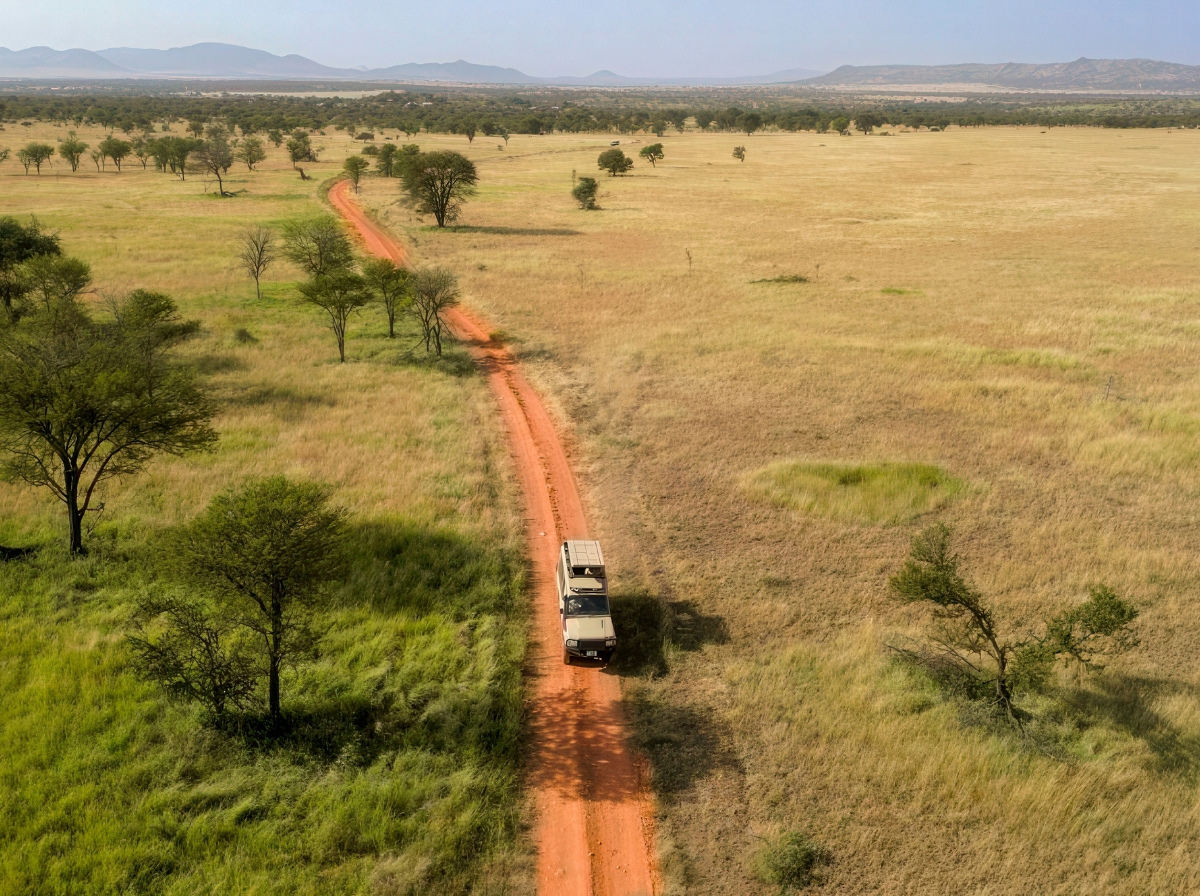 The Mkomazi National Park in Tanzania, represents one of the driest localities in the country and is the only area where climatic conditions can in places come close to those of semi – desert. By contrast, the wettest areas are to be found on the eastern slopes of the EASTERN ARC MOUNTAINS, which catch the moist air currents blowing from the Indian Ocean, and the same effect works – although at varying levels – on the other mountains in the country. This is a question of “Orographic rain” that is precipitation generated by an upward movement of air upon encountering a physiographic obstacle such as mountain slope. According to the basic rule it is the eastern and south – eastern slopes that receive Orographic rains in Tanzania (with Ngorongoro Conservation Area Authority (NCAA) as an illustrative example), although the main directions of the air currents in westernTanzania, for example, in the Mahale Mountains National Park (Kigoma Region), are from the Congo Basin, with the consequence that the highest precipitation figures in the Mahale Mountains are recorded on the western and south – western slopes. Tanzania has well – defined dry and wet seasons,except in certain scattered, climatically exceptional locations. The dry season starts in May on average and lasts until October – November. Within a certain range of variation this is the basic rule throughout the country. The dry season does not necessarily mean a burning sun blazing down from a clear sky day after day, but rather there are some clouds and there can even be scattered rain as well, although there are vast areas that have practically no rain in the middle of the dry season that is in July – August.
The wet season, lasting about half a year on average, is basically divided into two pulse – like periods, the ‘short’ and ‘long’ rains. Although there are in part good groundsfor using these terms, they are to some degree misleading, as the rains start in October – November, subside in December: fall in short showers in January – February, and increase again in March and with the highest rainfall occurring in April, the wettest month of the whole year on average. The essential point is nevertheless that 80 – 90% of the annual rainfall is received during the wet season. On the mountains there are rains all the year round, but even there the peak figures are recorded in the wet season. The timing of the “short” and “long” rains can be highly variable from yearto year, however, so that there may be no “short” rains or no “long” rains in some years, and there are a number of localities where it is difficult to distinguish which are the “short” rains and which the “long” rains during the wet season, or else there is only a single period of rain. In summary, the use of the terms “short” and “long” rains is somewhat questionable, and only one thing is clear: there is a wet season in Tanzania lasting around half a year, although this does not mean that it rains for half a year in any given area, but rather that the rains, no matter how long they last or whether they fall in periods, basically occur within the months which are regarded as belonging to the wet season. The rhythm of the rains in the course of the year is regulated by two highly interlinked climatic factors: The Inter – Tropical Convergence Zone (ITCZ) and the monsoons. The ITCZ takes the form of a band of clouds, usually thunder clouds, that circle the globe near the equator; that is their location varies overtime and moves back and forth across the equator following the zenith in the sun’s path. In the southern hemisphere, where Tanzania is situated, the trade winds blow from south – east to north – west. When the ITCZ is positioned north or south of the equator, these directions change according to the corioliseffect imparted by the rotation of the earth.Consequently, the monsoon winds off EAST AFRICA blow from the north – east between November and March (Known locally as Kaskazi) and from the south – east between April and October (Kusi). Both of these winds or air currents carry some moisture, but the preconditions for rain are satisfied only when the two air currents collide. In January, for instance, the ITCZ is located south of the equator (over Tanzania) and the north – easterly wind (Kaskazi) blowing at that time meets the south – easterly wind (Kusi), creating the preconditions for rain. By contrast, the ITCZ is located north of the equator in June, but the same south – easterly winds (Kusi) blowing across Tanzania no longer collide with the north – easterly winds (Kaskazi), which are now blowing much further north, and consequently the preconditions for rain are not fulfilled, in other winds, the rainy season is over.
TANZANIA IS VERY HOT, BUT COOL AS WELL;
Northern Tanzania is situated only around 100 kilometres south of the equator, and the southernmost corner of the country is 1300 kilometres away from the equator. Thus Tanzania must be included within the equatorial Africa and may be said to have a mostly tropical climate. The climate in the coastal areas is nevertheless much hotter (and more humid) than that of the East African plateau situated further inland.
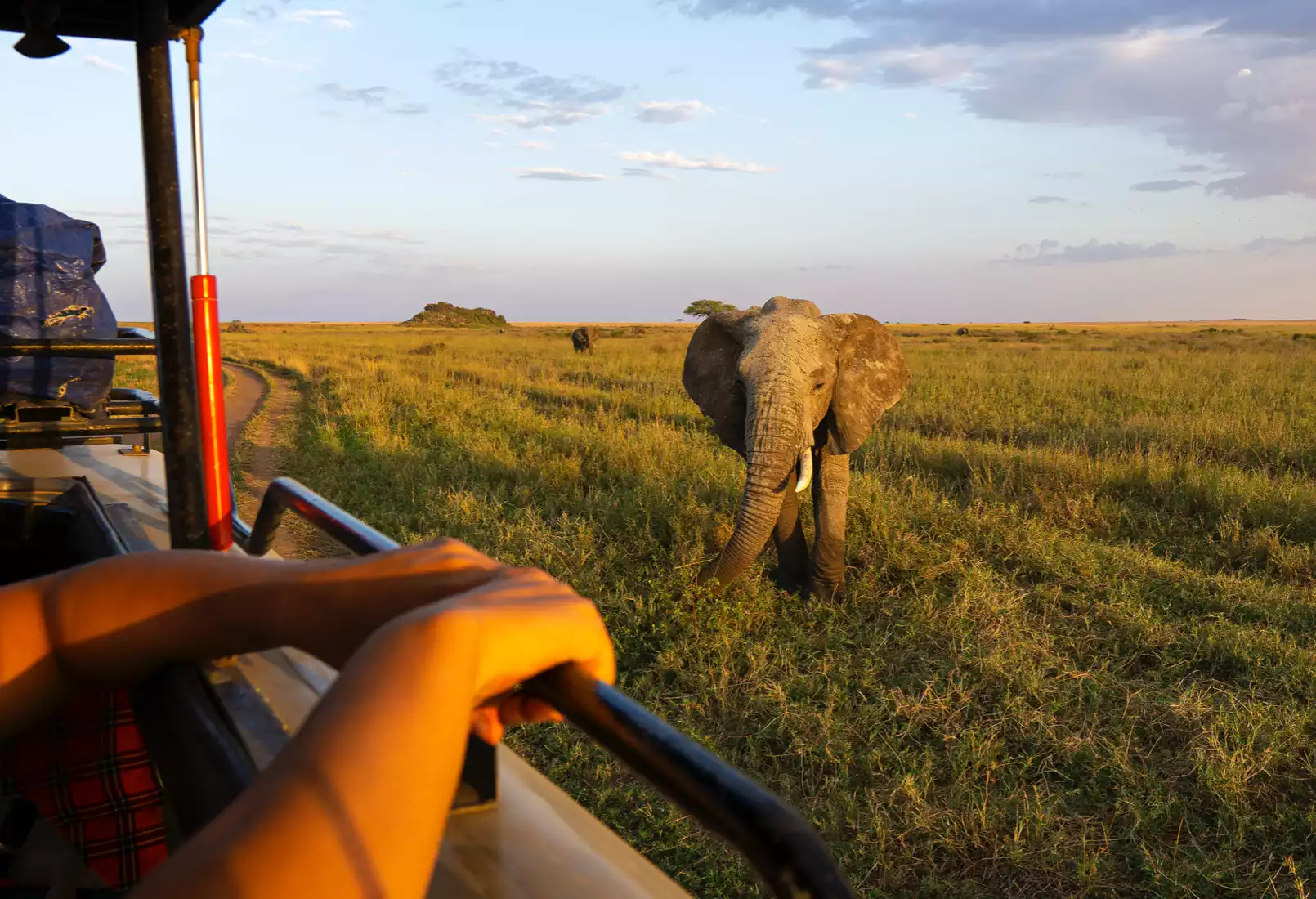 More light can be shed on the matter by comparing some of the parks: the Saadani National Park, for instance, which is situated on the coast, has monthly average temperatures of 25 – 27°C all the year round and night – time minima that are seldom below 20°C, but further inland, at an elevation of 700 – 1000 metres (for example, in Manyara, Tarangire, Selous, Katavi or Gombe National Parks, the monthly averages vary mostly in the range 22 – 26°C, and although it is hot in the daytime, night – time temperatures drop well below 20°C. Temperatures in the inland areas varysignificantly in the course of the year, but on the coast the variation is much less. Again, the seasonal variation in temperatures is closely connected with the functioning of the Inter – Tropical Convergence Zone. The hottest months coincide with the rainy season, from October – November to mid May, that is the “Tanzanian summer”, whereas the coolest months are from mid – May to October, the period which is sometimes called the “Tanzanian winter”. Most noticeable is the fact that one can easily feel the presence of the cool season in the inland areas despite the fact that temperatures in the early afternoon are fairly high all the year round.The mornings and evenings are relatively cool, however, and it can be cold at night, when temperatures regularly drop below 10°C. Temperatures tend to be higher in August, and characteristically, afternoon temperatures can be rather hot, occasionally more than 35°C, just below the rains fall in October – November. By far thehighest temperatures arerecorded in January – March, but although the warm / hot “Tanzanian summer” lasts around half a year, temperatures above 40°C are not common. The decrease in temperature at higher altitudes is less obvious in the day – time than at night, so that maximum day temperatures on the SERENGETI PLAINS (1700 – 1800 m) are frequently more than 30°C, but night temperatures are often below 15°C, or even below 10°C. Day temperatures on the mountains at elevation of 2000 – 3000 metres are still rather pleasant (15 – 25°C), but night temperatures are always below 10°C, with occasional night frosts. At altitudes of more than 3000 metres the direct sun can still be burning hot, but subzero temperatures are frequent at night.
SAVANNA IS THE DOMINANT ENVIRONMENT IN TANZANIA AND AFRICAN CONTINENT;
There are at least 10,000 species of vascular plants (Spermatophyla and Pteridophyta) to be found in Tanzania. The most diverse group is that of the herbaceous plants, but due to the prevalence of savannas the species diversity among the grasses is high as well, although arboreal species such as trees, bushes, climbers and vines are frequent, too. It has been estimated, for example, that there are more than 300 species of indigenous trees occurring on the Usambara Mountains alone, and as anotherexample, a total of 51 thorn species (Acacia) have been recorded in the country as a whole, an amazing level of diversity for one single family of trees and bushes. On the other hand, the number of palm species, which mostly inhabit tropical forests, is rather low, so that although some 50 palm species have been recorded on the continent of Africa, only a handful of indigenous palms are to be found in Tanzania, the four (4) most essential being the wild date palm (Phoenix redinata), real fan palm (Hyphaene petersiana), doum palm ((Hyphaene compressa) and African fan palm (Borassus aethiopium).
The palms are not true trees, however, as their trunks do nothave the secondary thickening characteristic of trees. The best indication of this secondary thickening is the presence of annual rings in the wood of the trunk, which is lacking in palms. The exact number of plant species endemic to Tanzania is not known, but it is assumed that there must be a substantial number, particularly in the EASTERN ARC MOUNTAINS. The African violets (Saintpaulia) are an illustrative example, as their global range in the wild is confined to limited areas in of Tanzania and Southern Kenya. Although the Savannas represent a characteristic environment for Tanzania, their overall range is not confined to (sub – Saharan) Africa, as there are extensive savannas to be found in South America, Australia, south – eastern Asia andCentral America as well, whereas the northernmost savannas stretch up to the southernmost parts of North America. On account of their controversial scientific background, savannas are classified in various ways and into various types. As a concrete indication of the existence of different classifications, the volume World Savannas divides those found in Tanzania into two types: the savannas of East Africa and the Miombo, whereas the corresponding classification in the book The Biology of African Savannahs is based on totally different categories: grass and shrub savanna, tree and shrub savanna, woodland savanna and forest – savanna mosaic. Whatever the background to the classifying of Savannas may be, there is a consensus about the three most essential characteristics defining such an environment: 1. there is a well – defined dry season and wet season in the course of the year. 2. the undergrowth is dominated by grass, and 3. arboreal plants are always present as well. On the last – mentioned criterion the plains of the Serengeti ecosystem or the floor of the Ngorongoro volcano do not actually qualify as savannas but should be termed OPEN GRASSLANDS.
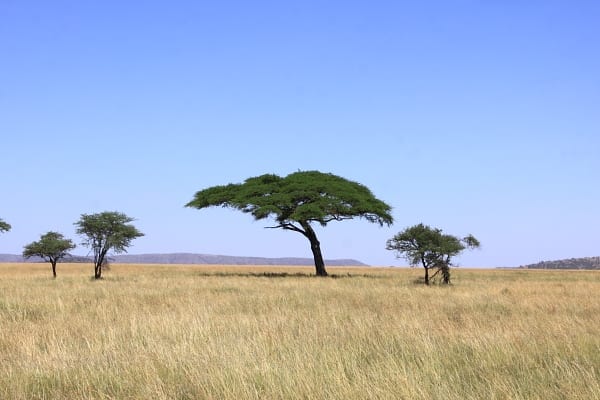 All in all, it has been estimated that 80% of the land area of Tanzania is covered by Savannas, the most prevalent being the Miombo ( or woodland savanna) covering extensive parts of the south – eastern, southern, south – western, western and north – western areas of the country. Again, the savannas of East Africa (or grass and shrub savanna and tree and shrub savanna) dominate the environment of Northern Tanzania, from where some scattered areas of this types of savanna stretch southwards into the heart of the country, the southernmost strips being found around the Ruaha National Park. The two main types of savanna in Tanzania can then be classified into subtypes. In the Tarangire National Park, to take one illustrative example, the savannas have been divided into five (5) subtypes according to the combination of certain species of trees and shrubs. Meanwhile theMkomazi National, the southernmost projection of the semi – arid Sahel zone, adds spices of its own to the soup, for while its large – scale environment is characteristic of the savannas of East Africa, there is no other reserve in Tanzania with a comparable savanna environments that of, not even Tarangire, which is not far away and where the dominant environment is largely the same.A comparison between the savanna environments of these two parks would inevitably reveal marked differences. The most prominent visual difference between the savannas of East Africa and the Miombo is the significantly more fragmented environment in the latter. While roaming in the Miombo one cannot see very far at any one time because of the high density of trees and shrubs, whereas the savannas of East Africa offer an unobstructed view over considerable distances, sometimes up to several kilometres. On the other hand, despite the heavy woody elements in the miombo, the tree canopy layer is not closed, which is one of the most essential characteristics of true forest. In other words, there is always some degree of light reaching the floor of the miombo without interruption,as a consequence of which the undergrowth is dominated by grasses (mainly Poaceae) rather than herbs (such as Ranunculaceae, Cruciferae, Violaceae, Balsaminaceae and Salvadoraceae), as is characteristic of forests. The main cornerstones of the differences between the types of savanna lie in the structure and composition of the vegetation, although the soil elements and precipitation factors are relevant as well. The annual mean rainfall in the miombo is almost 1000 millimetres, whereas the corresponding figure for the savannas of East Africa is ± 500 millimetres. However, savannas of East Africa, sometimes called NYIKA in Kiswahili, are distributed over south –eastern Sudan, the southern and eastern parts of Ethiopia, north – eastern Uganda, Kenya and Tanzania, where the most southerly examples are to be found.The soils of the region are highly diverse, being determined primarily by the extensive area of ancient sediments, but generally they are deep, well – drained, highly weathered and consequently nutrient – poor. The presence of arboreal plants is distinctive for the savanna. The mean height of the bushes varies in the range 3 – 5 metres, and the trees attain a maximum of nine metres, except for a few isolated individuals that exceed this figure. The families of trees and bushes are diverse, but various species of thorns (Acacia), corkwoods (Commiphora) and wild raisins (Grewia) are present almost anywhere. Most of the species are multi – branching small trees and bushes, and only a few, such as the umbrella thorn (Acacia tortilis) and baobab (Adansonia digitata), have a single trunk. Other genera with a diversity of species include Balanites, Boswellia and Terminalia. The grasses that dominate the undergrowth everywhere represent a number of genera, some of the most diverse interms of species being Andropogon, Aristida, Chloris, and the star grasses (Cynodon), with red oatgrass (Themedatriandra) as an example of an isolated species. Seasonal flood plains (known locally as MBUGA),which are patchy in occurrence, are characteristic of both the savannas of East Africa and the Miombo. The soil of these seasonally inundated plains is of the “black cotton”type, a very heavy hygroscopic clay soil which rapidly becomes wet and very sticky once the rains start. There are no trees or bushes on the floodplains found in the Miombo, whereas the corresponding environments in the savannas are frequently inhabited by the whistling thorn (Acacia drepanolobium). This bush is such a prominent indicator of the floodplains that it, too, is called MBUGA locally (although other local names exist as well) that is the name of the bush has been expanded to denote its favourite habitat as well.
ALL THE MAIN HABITATS IN TANZANIA ARE TO BE FOUND IN THE CONSERVATION AREAS
The vegetation at a given site is a product of the soil type, topography, altitude, precipitation, humidity and temperatures. All these together form a background to the expression of each habitat by means of a group of characteristic species, which thus form the key species for the vegetational stands and, on a wider perspective, the basis for distinguished different biotopes. Tanzania’s network of conservation areas is sufficiently extensive that all the country’s main types of environment are found within them. At the same time they represent all the environmental entities to be found in East Africa, except for deserts and semi – deserts.
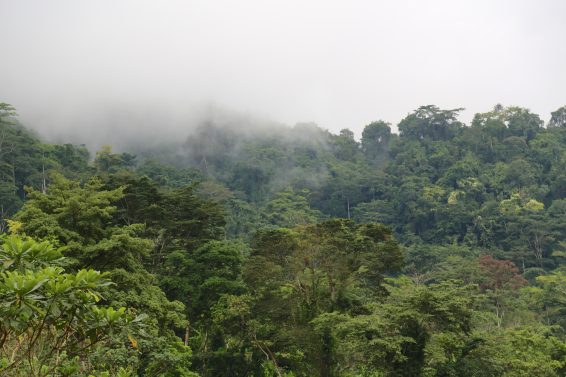 On the other hand, Tanzania also possesses special features such as East Africa’s last fragments of true lowland rain forest, exceptionally broad areas of grassland and the most extensive glacier on the African continent. Savannas, that is the miombo and East African savannas, are the most prevalent types of environment in the conservation areas and are to be found in all of them except the Rubondo, Arusha, Kilimanjaro, Saadani and Kitulo Plateau National Parks and the Amani Nature Reserve, although the Saadani National Park almost qualifies as the coastal thickets covering wide areas of the park closely resemble savanna. Miombo vegetation exists in more parks than does the East African savanna type. On the other hand, FLOODPLAINS are a frequent environment type alongside the savannas, and, in accordance with the mountainous characterof Tanzania, montane forests are relatively common. These Montane Forests are evergreen, while the environment type “other evergreen forests” situated at lower altitudes than the montane forests but still having water permanently available in one way or another. In the Manyara National Park, for example, there are plenty of natural underground springs, which feed a vegetation type known as “groundwater forest”. The forest of Manyara National Park is not included in either the montane forests or the lowland rain forests, however, because its relative humidity is significantly lower. Patches of groundwater forest are found for a distance of several thousands of kilometres along the foot of the escarpments of the GREAT RIFT VALLEY, but the forest of Manyara National Park is by far the most extensive stand of its kind. Again, despite the permanent availability of water, not all the tree species inhabiting the evergreen forests are evergreen, since there are always a number of deciduous trees as well, as can easily be perceived at times of drought.Finally, the Saadani National Park is Tanzania’s only conservation area that has significant Mangrove stands, although the country’s most extensive expanses of Mangrove vegetation are to be found in the delta of the mighty Rufiji River, some 200 kilometres south of Saadani.
A DIVISION OF LABOUR AMONG THE LARGE MAMMALSOF TANZANIA
A total of 364 terrestrial and marine mammal species have been recorded in Tanzania (2010). For comparison purposes it may be noted that Indonesia, which harbours the world’s most diverse mammalian fauna, has 678 species, while in Africa the Democratic Republic of Congo has the highest number, 431, Uganda has 320 and the Republic of South Africa 299. The top country in Europe in this respect is Spain, with 116 species, whereas in most European countries the number of mammalian is well below a hundred, so that the United Kingdom and Finland, for instance, have 75 and 63 respectively. By far the majority of the mammalian species are terrestrial, but there are even some flying mammals (Bats). One characteristic of mammals is that they do not migrate over such long distances as many birds do. Most of the mammals are small species, such as rodents, bats and insectivores (including shrews), but our knowledge of these is still incomplete, and new species are still being discovered even today, and principally in the countries of Africa, including Tanzania. Most prominent among the Tanzanian mammals, as among those of many other African countries, are the large terrestrial species.
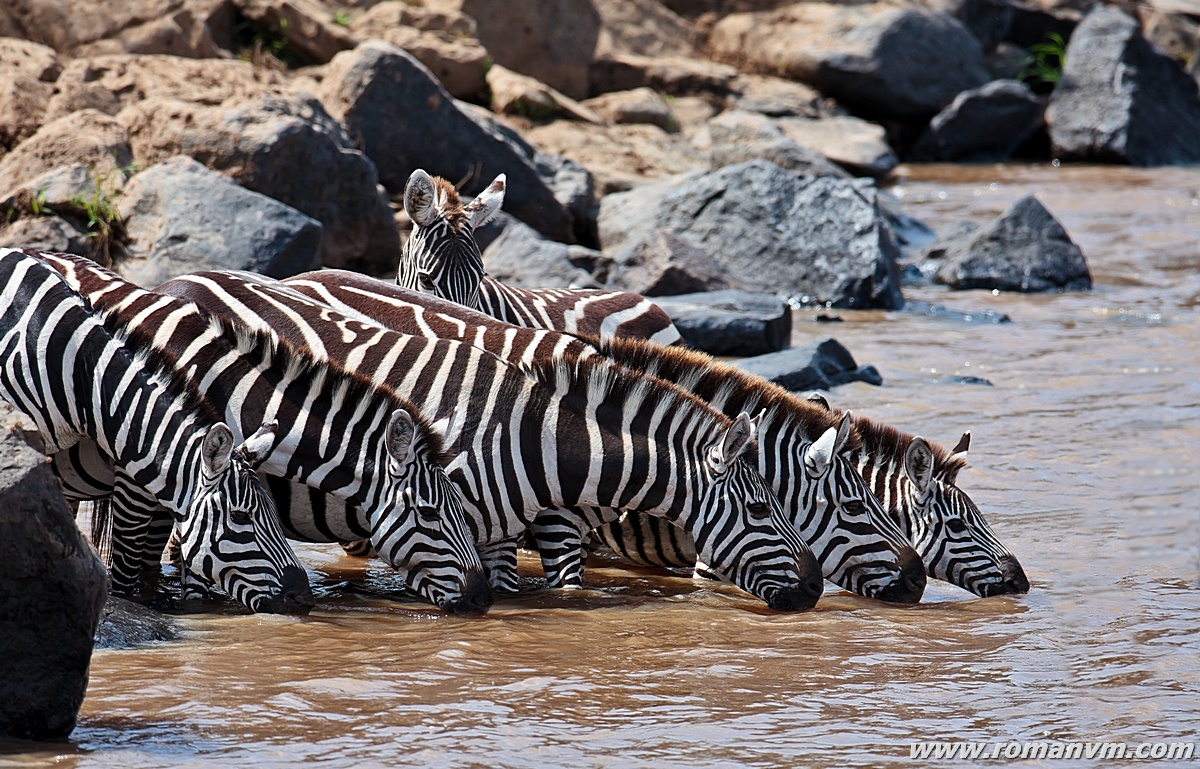 Tanzania has around 85 mammal species that reach a body weight of at least five kilos, including 15 species of primates (apes, monkeys, colobid monkeys, cheek – pouch monkeys and mangabeys), 2 porcupines, 2 rodents, 21 carnivores (cats, dogs, hyenas, mongooses, mustelids, otters, genets and civets), 2 odd – toed ungulates (the Zebra and browse rhino) and 38 even – toed ungulates (antelopes, giraffe, buffalo, hippopotamus and pigs). Other miscellaneous isolated mammalian species are the elephant, hyrax, aardvark and scaly ant – eater. A total of 34 mammalian species that are able to reach a body of weight of at least 50 kilos are found in Tanzania, and there are six (6) species that can weigh more than 500 kilos. These are the browse rhino, hippopotamus, giraffe, buffalo, eland and elephant, the last mentioned being the only one that can achieve weights of more than 5000 kilos, making it the world’s largest terrestrial mammal. As for rhinos, there are two species on the African continent, the browse rhino and the grass rhino or white rhino. The latter is divided into two subspecies, a southern one (Ceratotheriumsimum) and a northern one (subspecies, cottoni), which is now assumed to be extinct in the wild.) It used to live in areas north of Lake Victoria (Nyanza), but the grass rhinos to be seen in some wildlife sanctuaries in Kenya and Zambia are not indigenous but have been introduced and actually represent the southern subspecies, which is indigenous only to Southern Africa. The high number of herbivorous species, most of them feeding on grass and herbs, is a result of both the high primary production of the vegetation and the different niches occupied by these species. Competition between species is avoided by feeding on different plants or utilizing different parts of the same plant. The availability of food and water alters during the year, but there are a number of species which optimize their survival possibilities by migrating or changing their source of food in order to take advantage of the best food available at any given time. Migrations also serve in many cases as a graceful means of reducing competition between species, as the animals are not always heading for the same areas at the same moment but stagger their movements in order to create the optimal chances for each species to survive. Although all five (5) great African predators, the lion, leopard, cheetah, spotted hyena and wild dog, are included in the Tanzanian fauna and inhabit some areas in relatively high densities, the predation pressure on any one potential prey animal is fairly low. A balance is reached between predators and their prey, and under normal natural conditions there are seldom any occasions or periods during which predators are a real threat to the success of their prey animals. There have been some exceptional experiences as well, however, such as the occasional extensive flooding of Lake Manyara, which can temporarily prevent the prey animals from moving out and create a chance for the predators, particularly lions, to kill more animals than they do normally. From the predators’ point of view there seems to be an abundance of prey animals available in Tanzania, but this is not in fact the whole truth. The predators are territorial, while most of their prey animals are migratory, which can result in seasonal problems of prey availability. This means that the maximum density of predators in a given environment is determined by the availability of sedentary prey animals. For instance, the great migratory herds in the Serengeti ecosystem stay in one given area for maximum of a couple of months in the course of the year, and in most sub areas of the ecosystem the time is even shorter.
SPOTTING MORE THAN 200 BIRD SPECIES OF TANZANIA A DAY;
Of the total of around 2400 bird species recorded on the African continent, 1140 have been recorded in Tanzania (as of December 2010). Most of the Tanzanian species are present in the country all the year round, but there are also a significant number of Eurasian migrants in particular which are present during what is the winter period in their northern nesting areas. In addition, there are some intra – African migrants, including some from Madagascar.
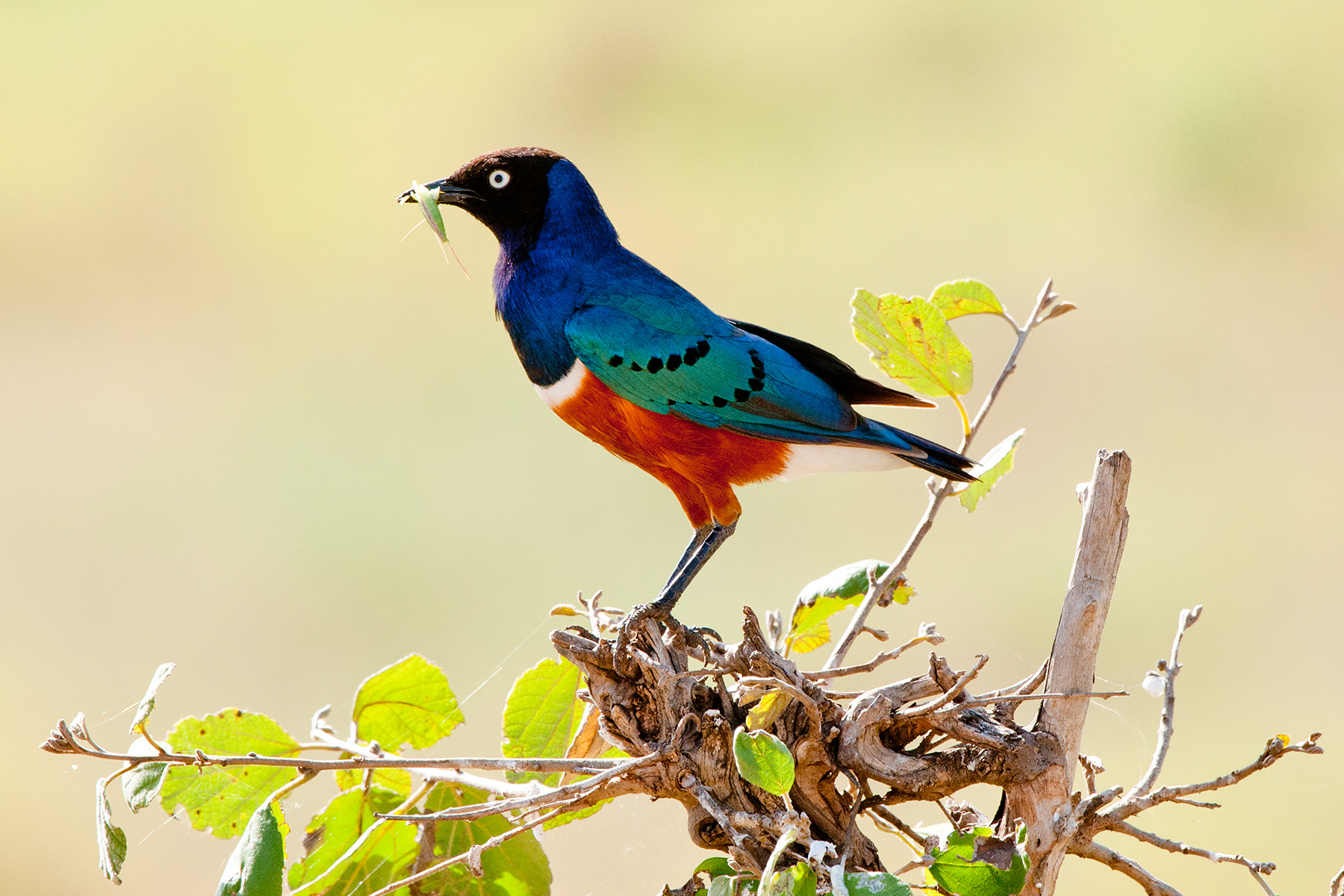 Tanzania is the leading country in East Africa in terms of the number of Important Bird Areas (IBA). A total of 80 sites encompass practically all corners of the country, and the only conservation areas – including the Gombe and Saadani National Parks. With careful planning an experienced birdwatcher can spot over 200 species a day, so that the number encountered during a fortnight – long safari might exceed 400. The high number of bird species shows that the avian life of Tanzania comprises all the essential bird families. What is characteristic of Africa, however, will not necessarily hold good any where else. In particular, there are differences between the tropical areas of Africa and America. Where the hornbills are a typical bird family in Africa, they are absent in America, so that the same ecological niche is occupied by the TOUCANS. The same is true of the sunbirds in Africa, for instance, which are replaced by the humming birds in America, and of the vultures in Africa and the condors in America. One prominent feature of the Tanzanian fauna, as in sub – Saharan Africa as a whole, is the rather high number of bird species that are able to fly but do so for only short distances and prefer to walk. The only actual flightless bird is the ostrich, but several other species, among them the guineafowls, francolins, spurfowls, quails, bustards, ground – hornbills and to some extent coucals and the secretary bird, are seen more often on the ground than in the air. Most of these birds feed on seeds, which is one significant evolutionary reason why they mostlystay on the ground. Since there are large areas where grasses account for up to 90% of the vegetation biomass, practically unlimited quantities of seeds are available. Again, the long grass offers ideal hiding places for a number of birds during the rainy season. On the other hand, there is no evolutionary point in pursuing development to the extent of becoming completely flightless, as there is an obvious need to fly off as a means of escape, for instance, or to fly up onto the branches of a tree as a safe place to spend the night.
HUGE REPTILES AND AMPHIBIANS OF TANZANIA AND BOTH ARE NUMEROUS;
The number of reptile species recorded in Tanzania is over 300, while the corresponding figure for the whole of Europe, for example, is less than 100. The Tanzanian reptile fauna comprises 17 species of chelonians (tortoises, turtles, terrapins), 134 lizards (geckoes, skinks, lizards, agamas, chameleons, monitors), 10 worm lizards, 2 crocodiles and 141 snakes. The tiniest species such as some of the geckoes are hardly two centimetres in length, whereas largest species attain a length of several metres. The heaviest individuals of the Nile crocodile (Crocodylusniloticus), the largest reptile found on the African continent, weigh more than one metric tonne, and the rock python (two species: Python natalensis and Python sebae), Africa’s longest snake, reaches a length of up to 5 -6 metres. The overall knowledge regarding amphibians is still more incomplete than in the case of reptiles.
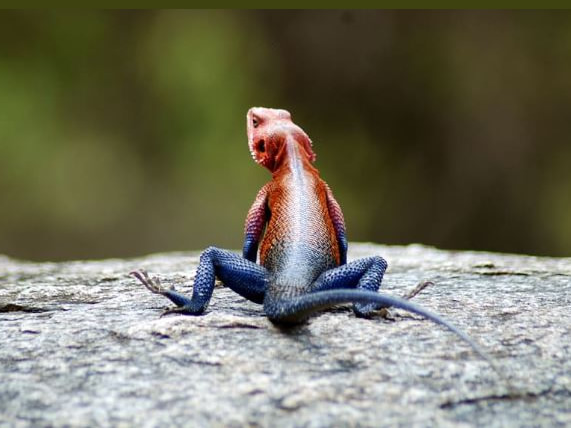 Even the number of amphibian species quoted as having been recorded in Tanzania (130) is a still rougher estimate than that for reptiles. There is obviously ahigh species diversity, however, for the entireEuropean amphibian fauna amounts to a total o around 50 species. The species that make up the Tanzanian fauna represent two orders, the Anura (frogs, toads, squeakers, snout – burrowers) and the Caecilians (limbless amphibians that resemble earthworms). Again the tiniest species hardly reach the size of a fingernail, whereas the largest species, the African bullfrog (Pyxicephalusadspersus), bears no comparison with the reptiles, having a maximum length of only23 centimetres and weighing around a kilo. One remarkable fact about the Tanzanian reptile and amphibian fauna is the high proportion of species that are endemic to the country. It has been estimated that more than one fifth of all the reptiles (64 species, 21%) and as many as two fifths of all the amphibians (55,42%) are endemic to Tanzania. The countrywide figures are astonishing, but the EASTERN ARC MOUNTAINS are in a class of their own. Although admittedly there are minor parts of the mountain chain that are situated outside Tanzania, probably more than a fourth of all the reptiles inhabiting these mountains and more than half of all the amphibians are endemic to the region. The background to this powerful speciation lies in the special habitats on the mountain chain that have remained isolated over a period of a million years or more, combined with the species’ limited ability to disperse by comparison with larger animals or ones that are able to fly, such as birds.
HUMBLE CREATURES INHABITING AREAS FROM THE SEA UP TO THE MOUNTAIN TOPS, A NEVER – ENDING NATURAL RESOURCE IN THE UNITED REPUBLIC OF TANZANIA;
The ARTHROPODS (Phylum Arthropoda) are the most diverse group of living organisms, and partly for this reason the least well known. They comprise five classes of animal; insects (class – Insecta), arachnids (class – Arachnida), crustaceans (class – Crustaceae), centipedes (class – Chilopoda) and millipedes (class – Diplopoda), most of which are divided into several orders, such as Lepidoptera (Butterflies and moths), beetles (Coleoptera), termites (Isoptera), dragonflies (Odonata), hymenopterans (Hymenoptera), two – winged flies (Diptera), orthopterons (Orthoptera), lice (Anoplura), bedbugs (Heteroptera), caddisflies (Trichoptera) and fleas (Aphaniptera). At a lower level there are innumerable orders and families which are familiar to everybody in one way or another, including butterflies, grasshoppers, long – horned grasshoppers, flies, ants, spiders, wasps and bees, to name only a few.
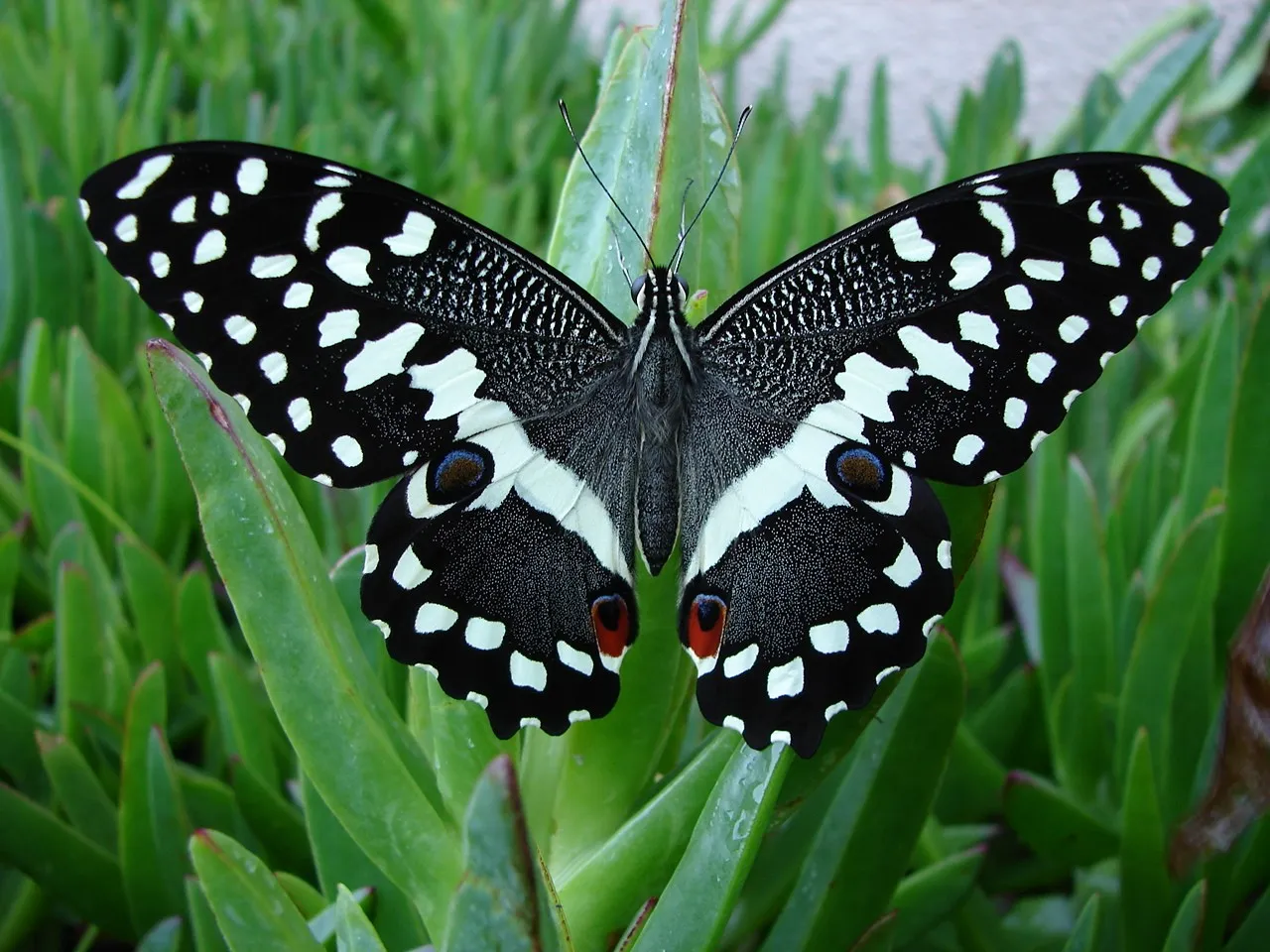 The immense species diversity among the arthropods is a never – ending natural resource. There are both terrestrial and aquatic species, so that they roam everywhere from the coasts up to the most hostile environments such as the summit zone of Mt Kilimanjaro, at an altitude of more than 5000 metres. Nobody has any idea how many species Tanzania supports, but there are some figures available which may help to put us on the right track. Based on the results of the Mkomazi Ecological Research Programme (1993 – 1997) it was estimated that the total number of arthropod species in Mkomazi alone may exceed 90,000! The butterflies are the only group of Tanzanian arthropods for which there is a detailed estimate of species numbers; 1370 species, around one tenth of which are thought to be endemic to Tanzania (123 species, 9%). The butterflies make up only a minor group of insects, but the figures already demonstrate the degree of species diversity to be found among the arthropods in general, when we remember that the entire continent of Europe possesses around 400 species of butterflies, and North America, which extends over huge areas and supports a great number of different habitats, has just over 800 species.
There are many other groups of arthropods which are known to be indispensable for the functioning of natural ecosystems, so that a great deal of information is available about their biology and ecology, but only very rough estimates are available regarding the species numbers to be found in Tanzania. The total number of lepidopteran species (butterflies and moths), for instance, is most probably in excess of 10000, and there are several thousand species of beetles, hundreds of termites and mosquitoes and perhaps a couple of thousand species of spiders. The species diversity to be seen among the arthropods is without doubt outstanding, but the individual numbers are utterly beyond comprehension. It is question of billions upon billions of them, and a few million will in many cases amount to almost nothing. Many arthropods characteristically live in large colonies, so that one can scarcely imagine the abundance of army or safari ants (Dorylus), for instance. They are encountered frequently in the field, but just one colony may comprise 20 million individuals. Similarly termites, which are widespread practically every where in Tanzania, are so numerous that a single colony may boast three million individuals. It is generally agreed that spiders are likewise numerous, but their huge numbers become more understandable when people turn their attention to their prey mass. It has been assumed that the prey mass acquired by all the well – known great predators such as lions and hyenas taken together is only a tiny fraction of that preyed on by spiders, consisting mostly of insects. According to one estimate spiders in the Serengeti ecosystem catch around 1000 kilos of prey / hectare / year that is 100 grams / m2. If the estimate is at least roughly correct, it gives a strong indication of the immense biomass of the arthropods by comparison with the large mammals. To pursue this argument a little further, if we assume that the great predators were to forage to the same extent as the spiders do, the biomass of their prey would be equivalent to around 400 wildebeest per square kilometre! Assuming that there would be enough predators to catch such a number of animals, it is obvious that all possible prey animals would be exterminated within a couple of months at that rate. Bearing in mind the great numbers of arthropods, and remembering that this is only one dimension in the overall ecosystem, it can be concluded that they are utterly indispensable for the maintenance and control of the natural balance of nature in the wild. They affect each other as antagonists, and at the same time they are an integral part of the life of other living organisms, for example, as a source of food or a mechanism for spreading diseases. All these considerations together help us to understand that the arthropods serve as a practically unlimited resource in the drama of nature, or from another point of view, they help to build the buffer structures without which the balance of living nature would inevitably go off the rails.
HOW THE SAVANNA WORKS IN TANZANIA (ALL ITS GREATNESS COMES FROM GRASS)
A total of four fifths of Tanzania’s land surface is covered by savannas of one type or another, and these support around three million large mammals. These two facts are concrete indications of how vital the savanna environments are for Tanzania and how extraordinary these habitats must be in so many ways. One cannot find any other land environment anywhere in the world which boasts such huge numbers of large animals, and there is nothing more characteristic or striking as an image of the savanna than the great herds of large herbivores, which only these biotypes are able to support. It is probably for this reason that such intensive research has been carried out into savannas, in an attempt to answer the most essential question: How does the savanna work? Research has been going on into savanna ecosystems for several decades, and their secrets have been revealed one by one: what elements they contain, what properties these elements have and what role they play in the overall drama of the savanna. It is known that the most significant cornerstone in the functioning of these ecosystems in the grass, although the bushes and other arboreal vegetation play their part as well. The biggest mystery of all time, however, is how these semi – arid areas with such harsh environmental conditions came to acquire such huge herds of ungulates.
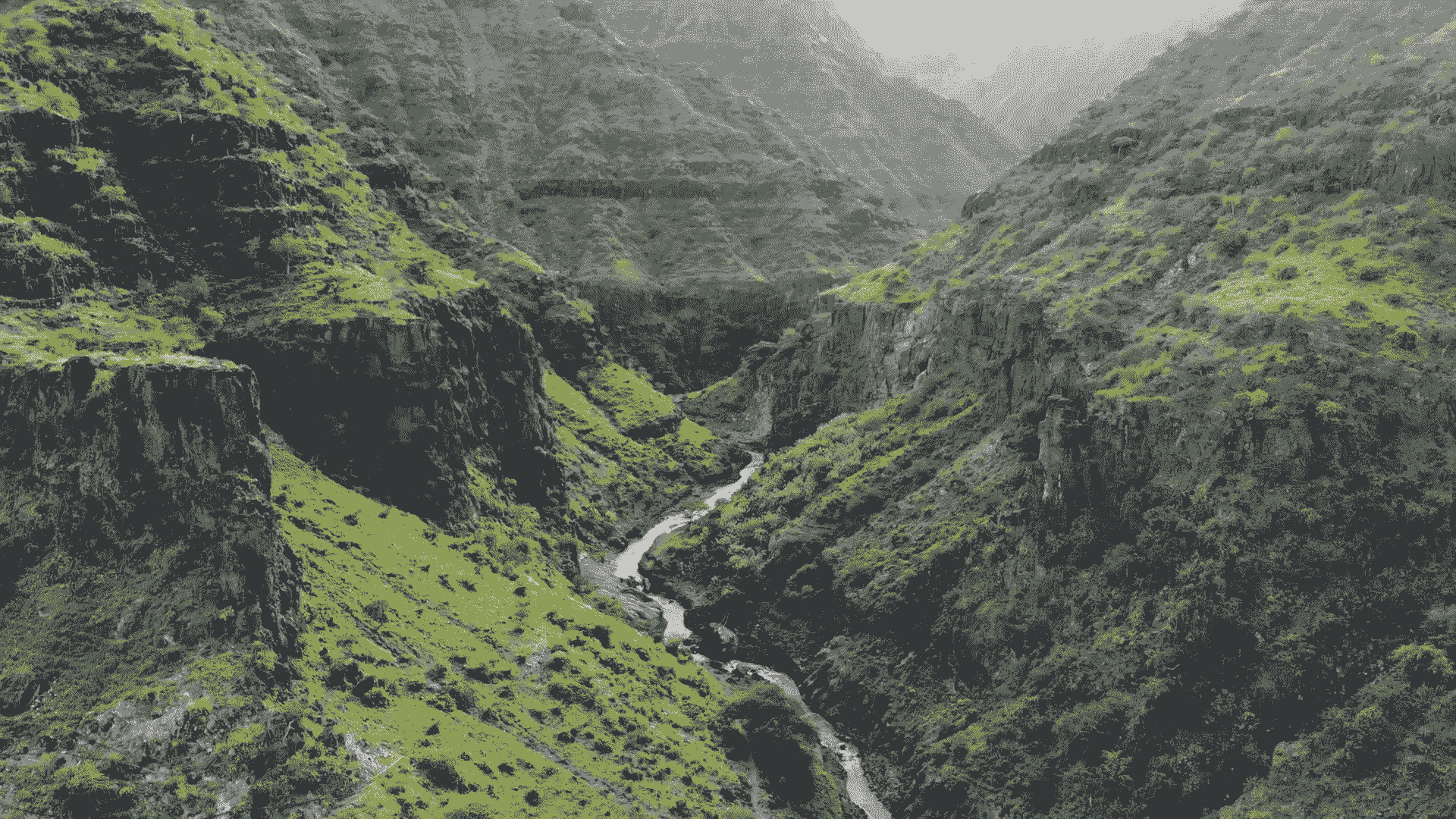 Fortunately, modern science has been able to discover some essential keys for solving this mystery. Viewed on a large scale, the environment of East Africa is unique among equatorial areas. Where all the other areasare covered by lush, dense lowland rain forests, East Africa features hot, semi – arid plains occupied by open or semi – open grasslands, that is savannas. This has not always been the case, however. East Africa was once completely covered by a thick mantle of rain forest as well, but the first signs of an impending change were seen 20 – 30 million years ago, when the very first geological upheavals that created the modern GREAT RIFT VALLEY started to tear East Africa apart. Once the process started, it continued in a number of stages, but most importantly, all the terrain lying to the east of the GREAT RIFT VALLEY was uplifted and the East African uplands or highlands were born. This caused a dramatic change in the climate, as the rains were no longer able to reach the uplands as prolifically as before. Thus the climate there became drier, the forests degenerated and the landscape came to be dominated by open or semi – open grassy plains. The rain forests in the areas west of the Rift Valley (known today as the Congo Basin) nevertheless remained unaffected. The vast open savannas with their covering of grass actually constituted a new type of environment, and one which was mostly useless for the animals roaming around East Africa at that time. As evolution proceeded, however, it became evident that the empty plains were only a temporary stage in the history of the region. The first living organisms of all to evolve highly functional models in this environment in which the sun beat down unrelentingly were the plants themselves. The innovation that developed is that known today as C4 grass, in which photosynthesis (Co2 + H2 O+ sun = organic compounds) is as much as eight times more effective than in ordinary plants. With time these plants came to dominate the plains, although they were still useless as food as far as the animals were concerned. The problem was that their tissues were too tough for the animals to digest. Again evolution had a finger in the pie, and now we come to the next significant step. In those days the modern ruminants were still biding their time and the antelopes were mostly small animals inhabiting the scattered forests remaining in East Africa. But most important of all, the antelope’s stomach had three cavities instead of the four that are characteristics of modern ruminants. These antelopes seized the opportunity,however, and moved gradually onto the plains, and as they began to feed on the grass their stomachs evolved further and finally developed a new, fourth cavity which we know as the RUMEN. This part of the stomach, much larger than the others, developed the function of initiating the process of decomposing the cellulose contained in the tough plant fibres. This was the BIG BANG for the modern ruminants, allowing them to make their appearance on the East African savannas around two million years ago. Their new digestion system meant that they could make full use of the vast expanse of grassland, and before long the hitherto empty plains were full of large, powerful animals, many of them living in huge herds. Evolution, of course, is a never – ending process, and a number of the prehistoric species are now extinct, but the giraffe, buffalo and eland, to name only three, are striking examples of the large mammals roaming the plains nowadays. Moreover, it was not only a question of large ungulates, as the multiplier effects of their presence created a whole natural entity, a diverse savanna ecosystem full of all kinds of life from the rich flora up to the mighty predators.
THE CORNERSTONES OF THE SAVANNA (SOIL, FIRE AND GRAZING)
The existence of savannas has been known for a long time, but scientists have been arguing for ages about their origin and how they should be classified into subtypes. One thing is clear, however. No one will claim today that the savannas are a man – made environment based on the clearing of forest and the use of fire. There are numerous examples to show that such an environment will remain as it is even when there is no connection with human life. The basic elementsof the savanna are grass, an open or semi – openlandscape with just loose stands of bushes and trees, and finally, two – well – defined seasons, dry and wet. On the other hand, there are many savanna – like vegetational compositions which actually fulfil all these criteria, which is the reason why the savanna should be regarded as a large, umbrella – like group of plant communities which can be classified into numerous subtypes. Such classification attempts undoubtedly help scientists to understand the functioning of savanna ecosystems, but unfortunately no consensus has yet been reached as to what the optimum classification scheme might be.
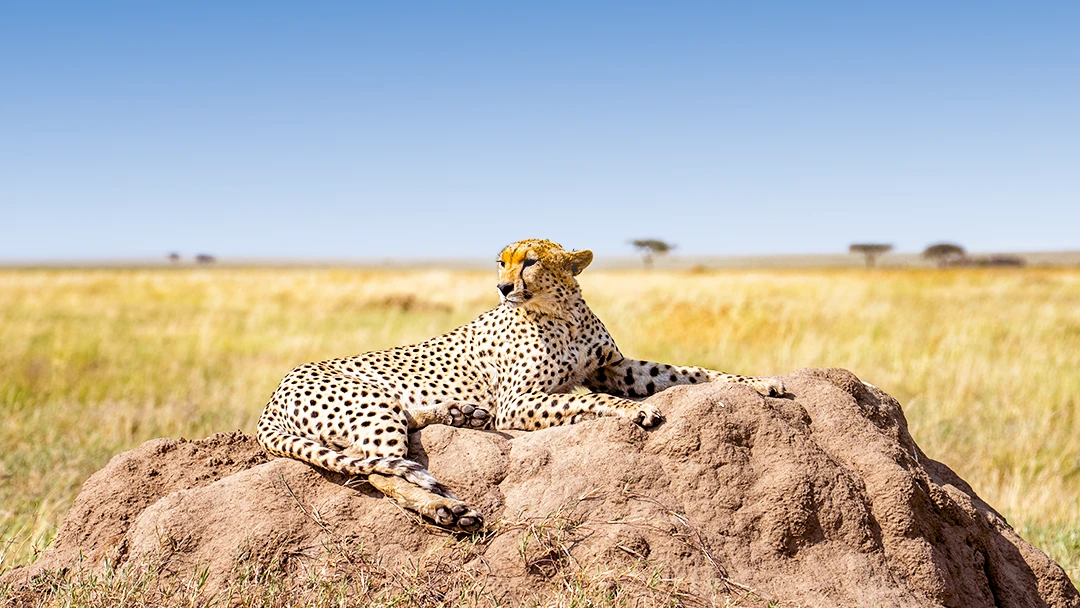 This has led to frequent demands that the whole concept of “SAVANNA” should be abandoned, but confusing through the present model may be, nobody has been able to propose a more satisfactory one. The basic elements of the savanna are clear, but like any other environment type, the savanna does not remain constant with time but is going through a never – ending process of change in its appearance. The most essential parameters continue to be the soil type, fire and grazing, however, and it is these that effectively keep the savanna as it is and put a brake on the forces that might otherwise cause it to revert to forest. The characteristic soil type for savannas is acid (pH<7), causing conditions under which aluminium will dissolve to become one soil ingredient, the presence of which is disadvantageous for trees but is tolerated by grasses. Fire, similarly, causes more disturbances for trees than for grassland, and keeps the environment basically open, as is distinctive for savannas. Contrary to what was previous thought, however, recent information suggests that frequent fires are disadvantageous even for grasses. Fire also entails a severe risk of erosion of the savanna, but this is partly a question of timing. The fires that occur in the late dry season, the hot burns, have considerable adverse effects on the vegetation, which is extremely dry at that time and is therefore ravaged by totally uncontrolled fires, causing severe destruction not only of the plant life but of all other kinds of living organisms. In some parks, such as Serengeti, attempts are made to prevent hot burns by lighting what are called cold burns, controlled fires timed for the end of the wet season. At that stage there is still some moisture in the vegetation, so that the burning does not harm the bushes and young trees but effectively removes much of the material that would otherwise fuel wildfires late in the dry season. Grazing is the third main force that maintains the savannas, since it causes much less disturbance to grasses than trees. The growing point of a grass lies at or near the soil surface, whereas the corresponding point in a tree is situated at the uppermost tip of the crown, making it very vulnerable to destruction by browsing animals. Also, if a grass loses its growing point it will regenerate much faster than a tree can. In fact, some grass species have adapted so well to grazing that their success may even be totally dependent on it, but no corresponding dependence of arboreal species on browsing has been discovered. Interestingly, research in experimental plots partly fenced off from grazing has revealed that the vegetation can change rapidly. Two of the key species of grazing grass, Andropogon and Sporobolus, which are prolific, sprout fast once the rains falls, grow fast, are highly rich in nutrients and tolerate both grazing and trampling, have been shown at an experimental plot in Serengeti to account for 56% and 20% of the living biomass respectively, whereas in a fenced area where no grazing took place neither was to be found at all. Conversely, grazing keeps certain plants under control, for example, two species of bamboo grass (Pennisetum) of which very little was to be found outside the protective fence, only 5% and 3% were prolific inside it, 72% and 26%. Thus grazing keeps the occurrence of certain grasses and herbaceous plants in a strict balance, which in turn gives a concrete indication of how carefully the wild ungulates select their grazing plants. Human maintained livestock practise selective grazing as well, of course, but the connection between the timing and location of grazing and the structure of the vegetation is poor. Wild ungulates not only select their food, but it has been assumed that their entire evolution has been closely related to certain grazing grasses. The wildebeest, for example, inhabits only intact savannas and grasslands, and both it and the most significant grazing grasses are unable to survive at all in areas occupied by weeds. With this in mind it is easy to understand why not all green,open areas are savannas! The dilemma for science, that of how to classify savannas, is still there, but the fact is that they are extremely specialized plant communities existing under certain sets of natural conditions and functioning according to characteristic models of their own.
NO LIFE WITHOUT VEGETATION
Some of the most essential cornerstones of the savanna are based on selective grazing by ungulates and their migrations that are regulated by the rhythm of the seasons. It is important to remember that all the riches of the savanna are attributable to its vegetation. Without the plants there would not be a single animal there, and the whole festive natural drama of large herds of animals roaming across the plains is dependent on the availability of grass that is rich in protein and carbohydrates. The ungulates are not only grazers, however, but browsers as well. It is not rare to encounter bushes on the savanna that are round in shape or even pyramid – like, the latter sometimes with a distinctive crown on top that spreads out from a thin point, giving the bush the shape of an hourglass.
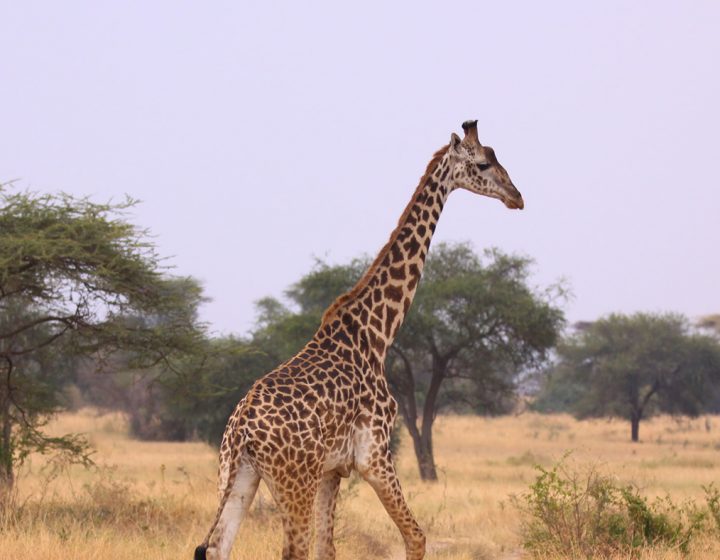 The architect in thiscase is the giraffe, which browses on the leaves and twigs of the bush but cannot reach the very top, which continues to grow very slowly. This provides a starting point for new, unrestrained growth without the pressures of browsing, and if everything goes well, the result might after all be a mature tree, for example, an umbrella thorn (Acacia tortilis). One can also spot mature trees on the savanna which have an absolutely flat underside to their crown. This again must be a result of browsing by giraffes, as these surfaces are regularly just under six metres from the ground. All in all, browsing is disadvantageous for trees and bushes. Elephants are obviously largely responsible for this, but it has been noticed quite recently that middle – sized ungulates also play an important role. The key species is evidently the Impala, as it was found in certain areas that the number of umbrella thorn saplings and young trees increased significantly during a period when the Impala population had been greatly reduced by a severe outbreak of anthrax. This happened in spite of the constant presence of elephants in the area. This discovery triggered a new orientation in thinking with regard to the ecology of the savanna, and it is now assumed that it is middle – sized browsers, not only impalas but others as well, that keep the arboreal vegetation under control to a markedly greater extent than had previously been thought. The trees are an essential part of the functioning of the savanna, and the umbrella thorn, a species well known to almost every safari visitor, evidently plays a multiple role in this ecological jigsaw. It has been found, for instance, that the soil under mature umbrella thorns is more fertile than elsewhere, being especially rich in nitrogen, presumably as a result of the symbiotic bacteria called rhizobia contained in its root nodules. These bacteria are able to convert atmospheric nitrogen to ammonia and make it available for nitrogen fixation. The process is of great benefit to the tree, but it also improves the quality of the surrounding soil. In addition, thorns are evergreen trees, so that they provide a lot of shade under their spreading crowns all the year round, which again explains why the flora beneath them is essentially different from that seen further away, this difference being greater the more mature the tree is. The fact that the vegetation is the basis for the existence of the animal populations naturally also means that the plants have a serious need to defend themselves. It has been stated that without any defence all the green matter on the earth would have been eaten away ages ago. The best – known defence mechanisms employed by plants are a thick bark, thorns, spikes, spines, hairs and indigestible tissues. The thorns (Acacia) are good examples of the special circumstances encountered in the African savanna, as all the thorn trees in Africa are extremely spiky (unlike the related wattles in Australia). The function of the spikes, of course, is to give protection to the individual leaflets, but they also defend the whole branch as well, and as a glorious indication of interlinked evolution within the natural world, some thorn species also have a symbiotic relationship with ants. Our understanding of the chemical defence mechanisms deployed by plants has increased greatly over the last couple of decades, and it is now generally agreed that chemical defence is of much greater significance than mechanical defence. In this process the plants use certain compounds such as phenols and glycosides, which are actually secondary compounds originating in the plant’s own metabolism, and load these into certain parts that maybe subject to browsing by animals to give them a bad taste, make them difficult to digest, or even render them toxic. This is not the end of the story, however, for a plant can even use these compounds to release hostile signals to fertile females of various insect species, discouraging them from laying their eggs. In this way there will be no larvae to feed on the leaves of the plant later on.
THE DIVISION OF LABOUR AND THE SEARCH FOR SURVIVAL OPPORTUNITIES UNDERPRESSURE FROM SECOND VARIATIONS;
For all the animals in the savanna their existence is dependent on the vegetation and its primary production, which is always much greater than the volumes consumed by the large herbivores. This does not mean, however, that there is a limitless supply of food. The basic rule is that the plants try by a number of means to protect themselves from the herbivores, and in any case many of them are dormant or whither up during the dry season, causing a huge dilemma for the herbivores that are looking for something to eat. It should be noted, for example, that the high mortality among the animals during the dry season is not caused by the lack of drinking water (they quite simply never stay in areas where there is no water, but by starvation. Weak animals are prone to diseases, and their ability to recover from such diseases is impaired, also causing a high mortality rate, but sometimes they merely succumb to total exhaustion.
Year after year animals are found dying in the mud beside drinking pools, because they no longer have the strength to clamber out of the water. Given that the grasses form the backbone of the savanna ecosystem, the grasslands differ widely in their species richness and on their functional role within that system, on account of the fact that different grasses are selected as food depending on their nutritive properties and the seasonal changes that take place in these. The best grazing species are both tasty and highly nutritious at the time when they arechosen, while the less popular species have a lower nutritional value, often because of their high cellulose and lignin content, although these compounds will become more concentrated in the stems of any grass, even the best ones, as they grow longer, making the grass less palatable. All the considerations mentioned above mean that the migrations of ungulates are highly determined by the availability of their preferred grazing plants; in other words, the animals migrate seasonally according to the availability of food and drinking water.
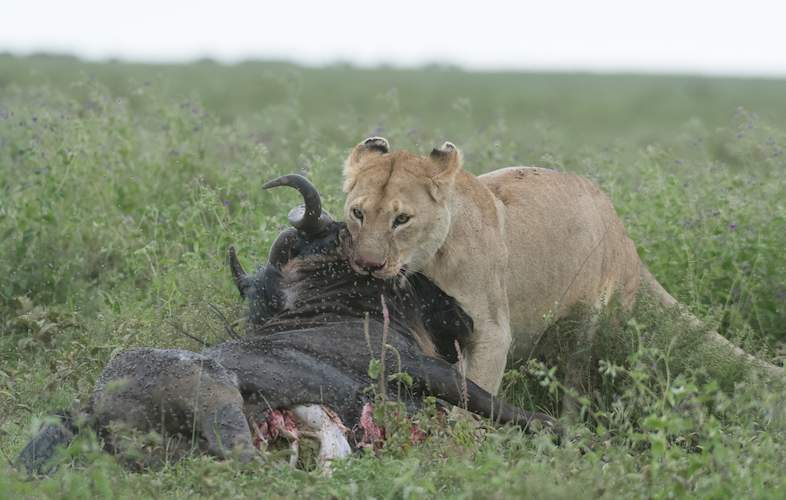 In fact, each migration is the product of both push and pull factors, with the triggering factors for these movements including the physiological mood of the animals, the quality of the drinking water available and rain in other areas, which some of the animals are able to smell over distances of twenty kilometres or so. There are two basic migration patterns, long-distance and short-distance migrations, the latter being mostly undertaken by more or less sedentary species, which move from one subarea of the species’ region to another one. The motivation for the migration is always the same, however: to optimize the availability of the best possible food at any moment. The adaptability and functioning of the ungulates roaming in the African Savannas is so successful that their herds are the largest to be found among terrestrial mammals anywhere in the world. The migrations are one of the key factors in maintaining the large herds of ungulates, but the division of labour between the species, known as the grazing succession, is of great significance as well. Food resources are scarce despite the immense primary production achieved by the plants, but again evolution has taken care of this problem, by means of specialization. This has led to one of the most striking features of the savanna: the extraordinary mass and variety of grazing animals that can exist in one area simultaneously. The basic principles of the grazing succession are simple and can be illustrated by a couple of examples : while the wildebeest, gazelle and warthog graze on short grass and herbs, the zebra grazes on both short and long grass and the buffalo grazes only on long grass. Meanwhile, some of the herbivores are both grazers and browsers, such as the impala, which mainly grazes during the rains, while the proportion of grass in its diet drops to about 30% during the dry season, that is, it is mainly browsing at that time of year. Other browsers, for example, are the dikdik (eating buds, flowers and leaf fodder from the lower parts of shrubs), the gerenuk (the middle parts of shrubs) and the giraffe (the uppermost parts). The heaviest consumer among the herbivores is the elephant, with a diet that mostly consists of grass and herbs but extends to leaf fodder and the bark, pods and fruits of arboreal species during the dry season. The basis of success of large ungulates essentially lies in the environmental resources available, so that predation is not the key factor. The predators admittedly kill substantial amounts of prey, but this is not the whole truth. Lions can obtain up to 15% of their diet by scavenging, and it is well known that predators pick out individuals that are in poor condition, thus often removing animals that are already dying through starvation, and or disease. Recent scientific enquiries have actually questioned the role of predators in regulating the numbers of savanna herbivores. One illustrative example supporting this hypothesis comes from the Kruger National Park in South Africa. It was speculated in the 1970’s that lions and spotted hyenas were responsible for the local decline in wildebeest and zebra populations, as a result of which a systematic culling of these predators took place, leading to the killing of 445 lions and 375 spotted hyenas over a five – year period, but the reduction had no detectable influence on the wildebeest and zebra populations!
INVERTEBRATES SET THE PACE FOR SAVANNA LIFE
Although the large mammals are the most conspicuous spectacle on the savanna, there is an endless diversity of other forms of life as well, the bulk of which is contributed by the invertebrates, which play innumerable irreplaceable roles in the functioning of the savanna ecosystem. Among the key species that keep the savanna rolling are the DUNG BEETLES (Scarabaeidae), which harvest the droppings of the large ungulates, which deposit millions of kilos of dung on the plains every single day, a quantity that will not readily disappear without active work.
The significance of this work can be illustrated with an example from Australia, where huge numbers of cattle were introduced in the past. Large grazing mammals are not a natural part of the Australian wildlife, however, and as a consequence, there were no dung beetles around. This led to huge problems in the areas used for cattle grazing, which soon had enormous quantities of cattle dung with no means of recycling it! The dung circulation on the African savannas is so effective that the beetles have even been known to fight over ownership of the dung during the peak seasons. Although the adult beetles do feed on dung, the main need for it is as food for the larvae, so that the fertile females collect dung in order to lay their eggs in it. The most common habit is for the beetle to form a piece of dung into a round ball, roll it to a place with soft soil and dig it into the ground. The rest is taken care of by the larvae, which feast on the dung, pupate and emerge as adult beetles for the next season. The evolution of the dung beetles and grazing animals must therefore be closely correlated: otherwise it would be difficult to explain how it is possible for the main bulk of a new dung beetle generation to be born at just at the same moment when the herds of ungulates arrive in a given region, attracted by the fresh grazing grass. But this is not all.
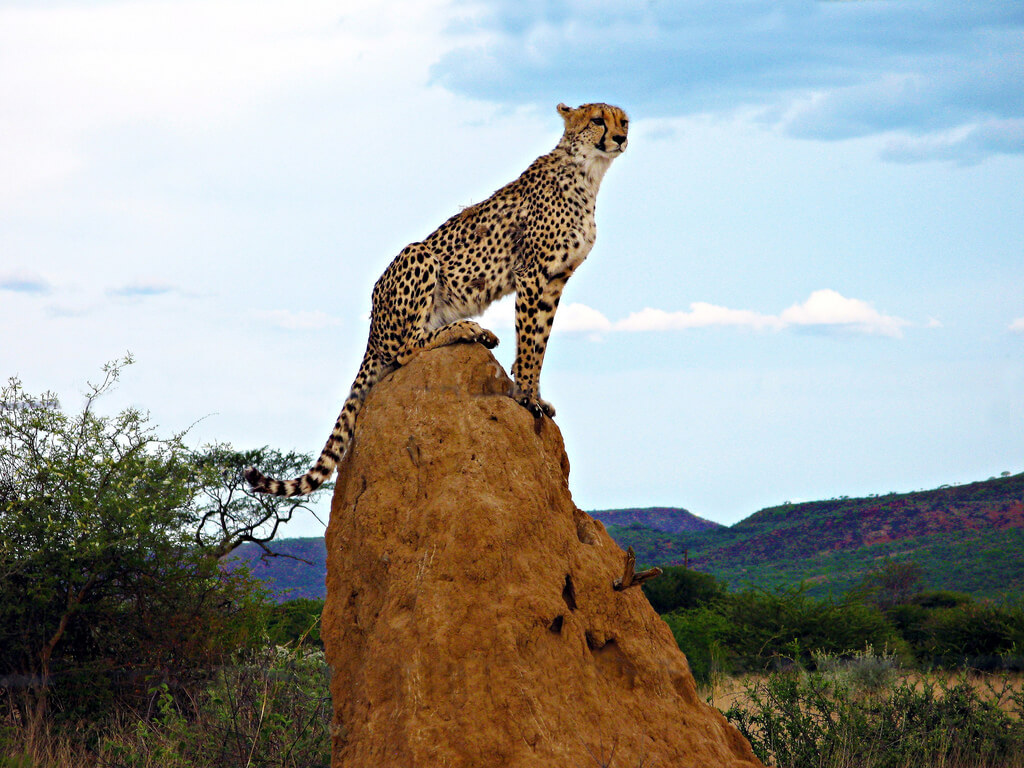 There are a substantial number of dung beetle species which are adapted to using the dung of only one particular host animal. Termites are at least as important as dung beetles, being the major organisms responsible for circulating the vast amounts of cellulose to be found in the savanna. It is something of a problem for herbivores to make use of tree material and grass, but the ruminants are some of the few animals capable of decomposing tough tissues that contain cellulose and lignin. This is done by protozoa, which exist commensally in the alimentary tract of ruminants and participate in the digestion of plant material. On the other hand, however big the herds of ruminants roaming in the savanna may be, they will still play only a marginal role in circulating all the cellulose: the main work will be done by termites. There are nearly three thousand species of termites in the world, but they are even more important on account of theirenormous numbers. It has been assumed, in fact, that the methane released by their metabolism has had an overwhelming effect on the composition of the earth’s atmosphere.
Some of the species are able to decompose cellulose with the aid of certain proteins and bacteria, while others work on the same principles as ruminants, employing commensal protozoa for this propose. The most essential point, however, is that as a result of this decomposition the nutrients return to the soil for the use of the plants, a process which is absolutely essential for the continuity of the cycle. Another sign of the recycling process accomplished by termites is that the soil has been observed to be richer in nutrients in the immediate proximity of termite mounds than further away, which means that the vegetation flourishes on the edges of termite mounds. In addition, the large – scale underground activities of termites make the soil lighter, thus preventing adverse accumulations of rain water, while the conspicuous mounds themselves play a significant role in the savanna ecosystem as superb sources of shelter, hiding places and nesting sites for many birds, reptiles and smaller mammals. The life of insects is a chapter of its own, both in the savanna ecosystem and almost anywhere else in the world, but it is surprising that we have not the slightest idea of the diversity of insect species nor their individual numbers. The only things we know are that their numbers are incomprehensibly great, that they affect all other forms of life in endless different ways, both advantageously and disadvantageously, and that they are associated with other living organisms in a never – ending labyrinth of ways and at all possible levels, often with animals much larger in size than themselves. After all, it is insects that pollinate the majority of plants. The savanna, or almost any other ecosystem for that matter, simply cannot survive without insects, but there is another side to the coin. It is also typical of insectsthat the numbers of individuals can vary over a large range – from an overwhelming abundance to scarcity – more easily than those of any other members of the animal Kingdom. The dynamic variations are in most cases attributable to abiotic environmental factors such as weather conditions. Abiotic regulatory mechanisms are insufficient in themselves, however, as there is an obvious need for some form of biotic feedback to control the numbers of insects as well. Perhaps the most significant of these is the activity of spiders, which are not actually insects although they are invertebrates and arthropods. It has been suggested, in fact, that without predation by spiders the world would be absolutely full of insects. Spiders are silent and inconspicuous in everything they do, but if the estimate for the prey mass obtained by spiders in one hectare of the Serengeti – Mara ecosystem every year were to be extrapolated to the entire ecosystem, it would mean a staggering 15 million metric tonnes of prey a year! If we assume that there is at least a grain of truth in this estimate, the only conclusion to be drawn is that the true masters of the savanna are the insects and spiders!


