
Background information facts; by edgardowelelo@yahoo.com. Master of the Game
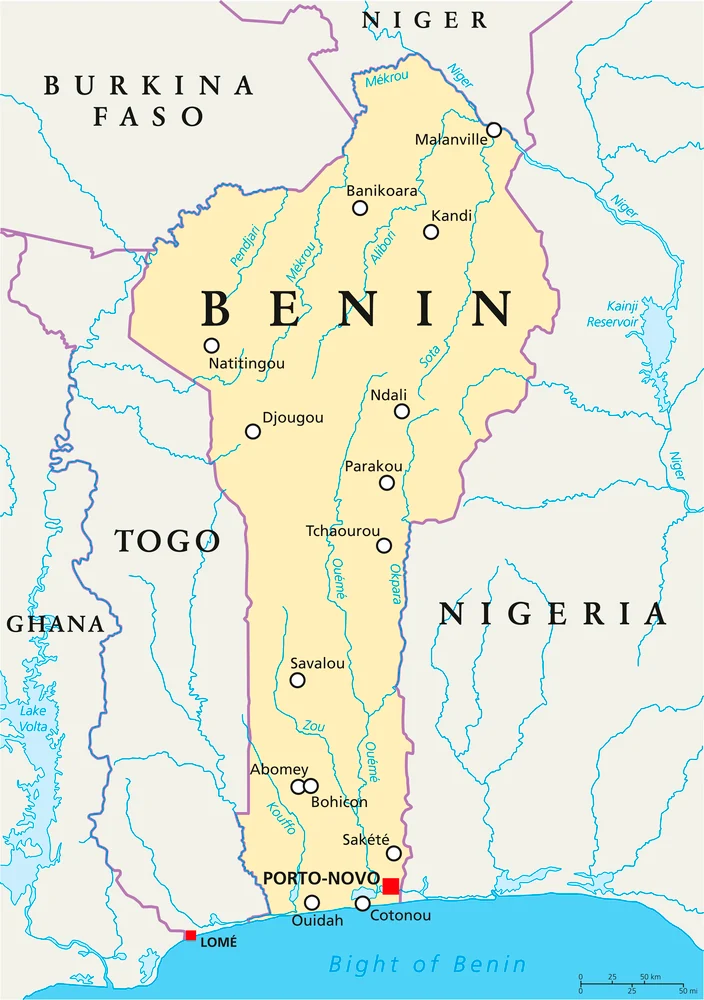 From ancient Kingdoms to the modern republic, Benin is a model of the democratic transition which has been underway since 1990.
BENIN HISTORICAL BACKGROUND
The grouping together of three ancient communities led to the creation of the first Kingdoms in the 16th century in what is today known as Benin. Thereafter, the country was steadily populated by waves of settlement. Alongside the Dendi (Northwest), Fulani (The Peul in the north) and Betammaribe, also known as the Somba, in the Atakora Mountains, three groups played a decisive social role: The Yoruba, who live in the Southeast and center of the country (the Save’ and K’etou Kingdoms), Bariba, who are concentrated in the East’s Borgou region and in the Northeast, and the Adja, who founded the Kingdoms of Allada, Abomey and Porto – Novo.
THE KINGDOM OF DANHOME
In the 17th century Houe’gbadja (1645 – 1685) left Allada to create his own Kingdom, Danhom’e, which at the time was confined to the Abomey Plateau. A century later King Agadja (“The Conqueror “) extended the borders to the Atlantic Coast by taking Allada (1724) and Savi (1727), enabling the Kingdom to grow wealthy by participating in the slave trade from Quidah, where Europeans had established a foothold in 1556. Danhom’e reached its peak in the 19th century under the reign of Gue’zo (1818 -1858), who set up a standing army to fight the Yoruba and in 1851 signed a friendship treaty with the French. He promoted the cultivation of crops imported from Brazil (Cassava, peanuts, bananas, etc.) and oil palms to develop his Kingdom.
RESISTANCE TO COLONIALISM
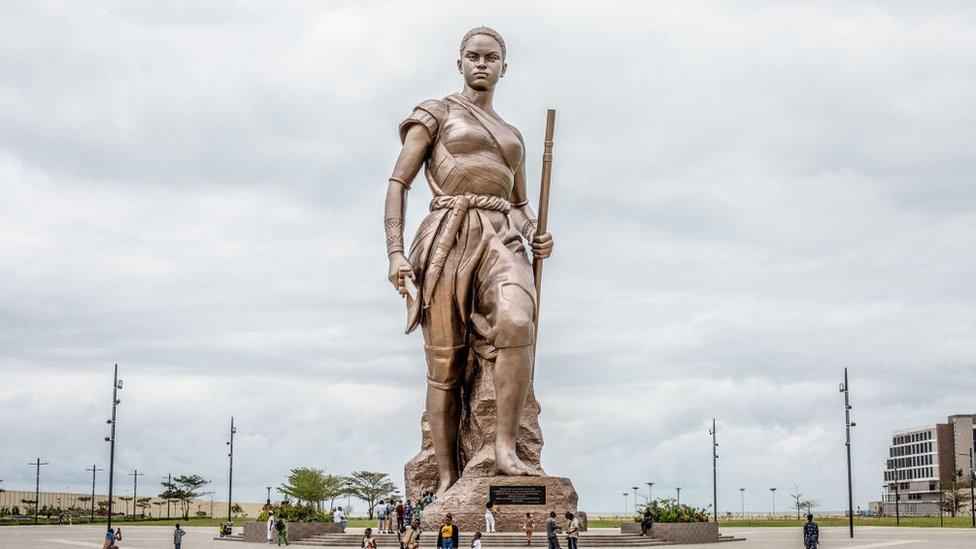
Gue’zo’s son and successor, Gle’le’, let the French settle in Cotonou, but Gle’le’son, Be’hanzin, began fighting them again after ascending to the throne. He agreed to let them trade from Cotonou in exchange for high taxes, but not from Quidah. French then built the wharf in Cotonou, which is still visible today, to prepare for troops landings. At first Be’hanzin invaded land in the protectorate but had to pull back under the on slaught of Colonel Alfred Dodds’ 3,000 men. Be’hanzin, whose statue stands in Abomey, was exiled to Martinique in 1894 and later to Algeria, where he died in 1906.
FRENCH DAHOMEY
His successor ruled just six years before power was taken away from him and given to a French governor. In 1898 the United Kingdom, the colonial power in Nigeria, and Germany, which occupied Togo, reached an agreement on Benin’s borders. In 1904 Dahomey became part of French West African (AOF). The school enrolment rate, which was high because of missionaries, made it one of the colony’s main intellectual centers. In 1946 a new constitution granted some Dahomians the right to vote. Ten years later a framework law established – universal suffrage and gave the AOF territories a semi – autonomous system, the prelude to Independence, which came on 1 August 1960.
THE ROCKY BEGINNING OF INDEPENDENCE
Hubert Maga, Sourou Migan Apithy and Justin Ahomadegbe, who founded the first formal political parties in the 1950s, played the leading roles at independence. Maga became Dahomey’s first president, Apithy its vice – president. The fragile new state’s first decade was rocked by coups. In 1970 Maga, Apithy and Ahomadegbe’ set up a presidential council with a rotating presidency. Two years later, on 26th October, Major Mathieu K’ere’kou became head of a revolutionary military government, changed the country’s name to Benin and established a single party Marxist – Leninist regime, the People’s Revolution of Benin (PRPB). The main private companies were nationalized and opinion was muzzled. The regime survived a coup d’ Etat organized by France but not the consequences of the economic crisis that hit the country in the mid – 1980s.
THE 1990 NATIONAL CONFERENCE
Facing opposition from workers, bishops and angry army officers, Ke’re’kou decided to hold a national conference in 1989. Many African countries, such as neighboring Togo, Burkina Faso and Niger, followed this example of democratic transition. In February 1990 rulers and opponents met to lay the ground work for a new constitution establishing a multi – party political system, the rule of law and a market economy. It was adopted by referendum on 2nd December 1990. Prime minister Nicephore Soglowon the presidential election four months later and 21 parties were represented in the new Assembly chaired by Adrien Houngbe’dji. In 2006 Ke’re’kou, who was democratically elected president in 1996 and 2001, decided to respect the constitution, which limited the number of terms to two, and did not run again.
 BENIN FAST FACTS AT A GLANCE
- SIZE/ AREA: 114, 763 Sq.km
- CURRENCY: CFA franc
- LIFE EXPECTANCY: Life expectancy at birth – 60 years.
ETHNIC DIVERSITY
The Republic of Benin is home to around 40 ethnic groups but most of the population is made up of the Adja – Fon (40%), Yoruba (12%) and Bariba (9%), who are predominant in the East’s Borgou region. Mixing is common and has given rise to new groups, such as the Gun, comprising Adja and Yoruba. Most of the Peul live in northern Benin, the B’etammarib’es, also called the Somba, around Atacona, while the Mina, originally from Ghana, settled in the Grand – PoPo region. Local populations use many dialects and the two main groups, the Adja and Yoruba, speak Fon, but Benin’s official language is French.
RELIGION
Religion is a key feature of life in Benin. According to statistics, 27% of the population is Christian, 22% Muslim and 37% Animist, but the Beninese, especially the Adja – Fon and Yoruba, are also deeply attached to Voodoo cults. There are also many evangelical churches, the largest being the Celestial Church of Christ. Islam has fanned out from the north (Peuls, Hausas and Dendis) and east (Yoruba). Syncretism is so widespread that the line between traditional and “revealed” religions is blurry.
BENIN’S CONSTITUTION
Approved by referendum on 2nd December 1990, set up a presidential system and a market economy after nearly 20 years of flexibly applied “Marxism – Leninism”. It affirms the Beninese people’s “fundamental opposition” to “any regime based on arbitrary rule, dictatorship, Injustice, corruption, embezzlement, regionalism, cronyism, the confiscation of power and personal power”.
THE FLAG OF THE REPUBLIC
Features a vertical green stripe and red and yellow horizontal stripes. Green stands for hope, red for the ancestors’ courage and yellow for wealth and development. This was Benin’s flag when the country became independent in 1960. It was abandoned during the 1975 Marxist revolution but restored by the National conference in 1990.
 THE NATIONAL MOTTO
Fraternity, Justice, Work.
THE PRESIDENT OF THE REPUBLIC
Embodies executive power as head of state, head of government and commander – in chief of the armed forces. He is elected by universal suffrage to a five – year term, renewable once, and sits in Cotonou, Benin’s economic capital.
THE NATIONAL ASSEMBLY
Has 83 deputies elected by direct universal suffrage to a renewable four – year term. Based in the administrative capital, Porto – Novo, it exercises legislative power. The President of the Republic cannot dissolve the Assembly, which cannot overturn the government.
OFFICIAL GOVERNMENT WEBSITE
- HOTELS IN COTONOU (BENIN)
- AZALAI HOTEL DE LA PLAGE
- Telephone (+229) 21317200
- azalai hotels.com
- MARINA HOTEL
- Telephone (+229) 21300100
- benin – marina.com
- MAISON ROUGE COTONOU
- Telephone (+229) 21300901
- maison-rouge-cotonou.com
- DJIBSON HOTEL
- Telephone (+229) 21090323
- djibsonhotels.com
- TOURISM ATTRACTIONS
- SIGHTSEEING IN COTONOU
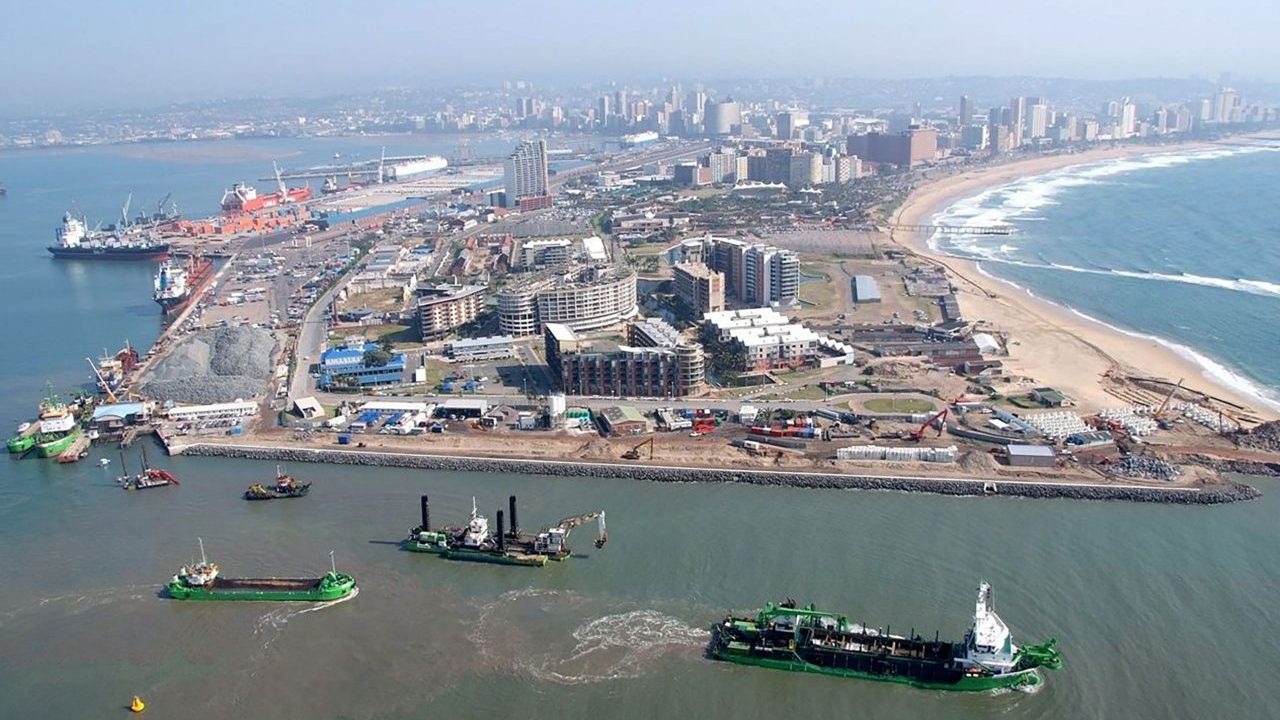
Benin’s economic capital is more than just a bustling, crowded, polluted city. Take its pulse by visiting the famous Dantokpa market, west Africa’s biggest, or the Jonquet quarter, Cotonou’s liveliest neighborhood. The fishing village of Xwlacodji, Cotonou’s first historic district, and the Zinsou Foundation, west Africa’s only museum entirely devoted to modern art, are also worth a detour.
- SEASIDE COTONOU
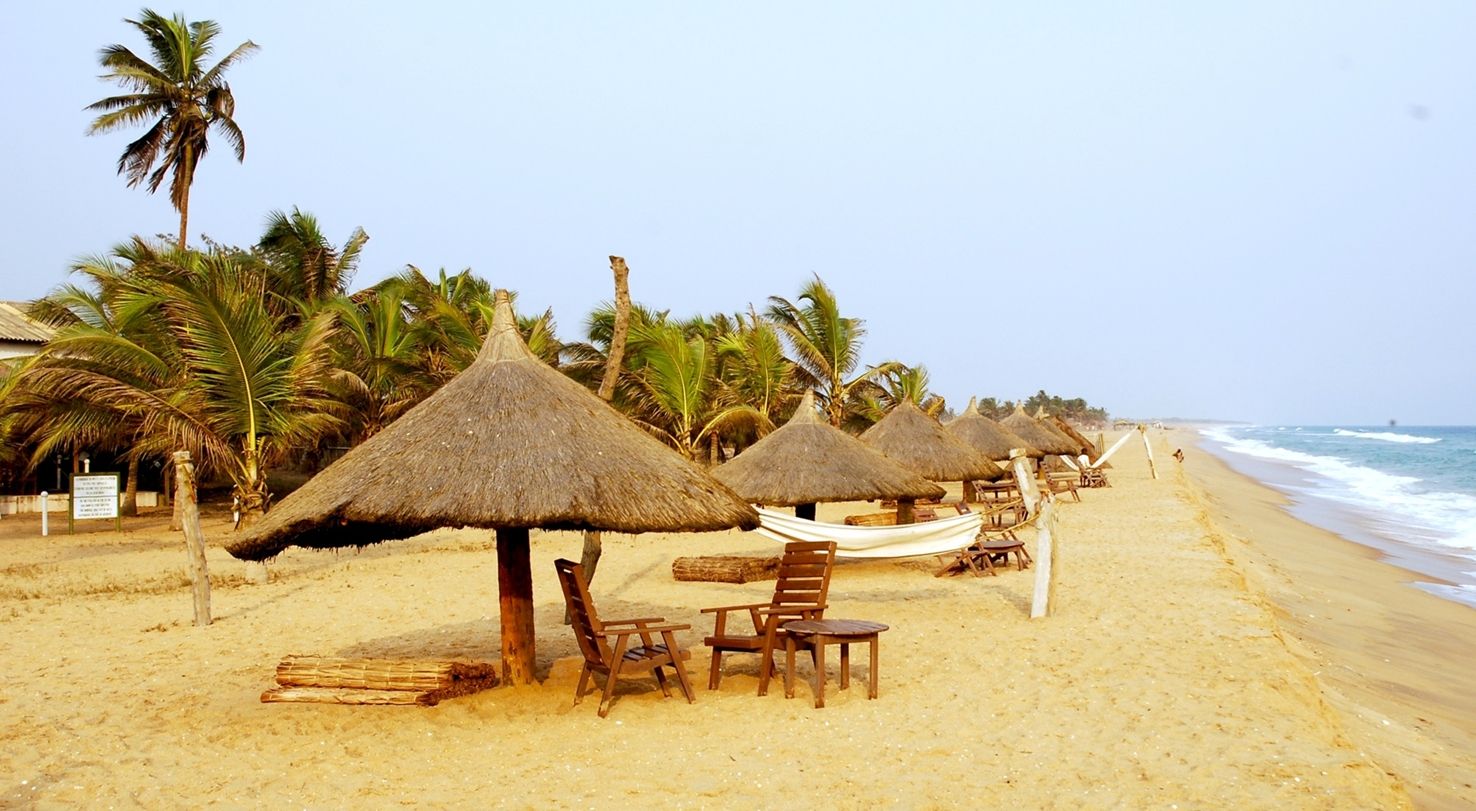
Take a few hours to relax on one of the Cotonou’s many beautiful beaches. The easiest way is to head west on the road to the airport. You will find several beaches with lifeguards on duty, and which therefore charge admission, such as Obama Beach. Fidjirosse Beach is especially popular with young people, particularly on Sundays. Careful, the waves can be rough and the water gets deep very suddenly.
- GANVIE AND THE LAKE VILLAGE
Visiting Ganvie or another of the 42 villages that have been built on the shores of 26,000 ha Lake Nokoue’ since the 17th century is an experience you will never forget. You can take a boat from Cotonou to the Hotel du Lac but the most popular landing is to the north a few kilometers before Abomey calavi. Some of the dugout canoes are motorized. Choose one with the quietest and cleanest engine you can find to make the most of the peaceful ride.
- PORTO – NOVO
Benin’s administrative capital has a peaceful pace and an easy going lifestyle that is probably due to its Afro – Caribbean culture and architecture. It takes just half an hour to get there by car if you avoid rush hour on this road, which leads to Nigeria. Walking is the best way to see the sometimes run down but charming buildings, such as the central mosque built by freed slaves back from Brazil, who modelled it on a Portuguese church. The Da Silva Museum, named after the still – living descendant of a slave – owner and a slave, is also worth a detour. Do not miss the Songhai agriculture center either.
- QUIDAH AND ITS BEACHES
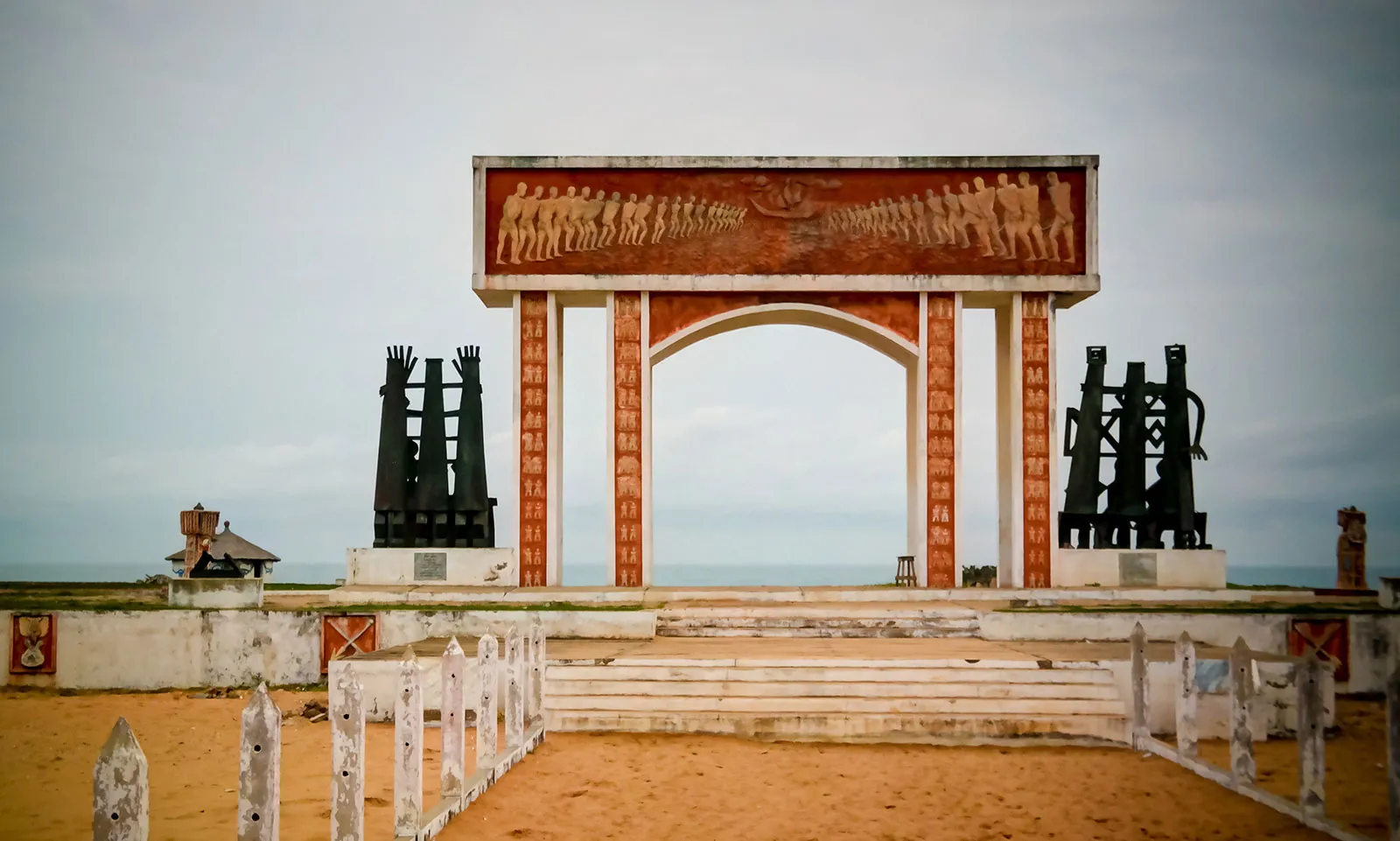
If you have a day, head towards Quidah, a former slave – trading post and voodoo center with magnificent Afro – Caribbean style buildings around an hour from Cotonou on the road to Togo. Admist Voodoo monuments, the slave road traces the slave trade all the way to the Gate of NO Return on the beach. Travel seven Kilometers to the west past many little fishermen’s villages to Casa del Papa, nestling beneath huge coconut trees, which offers rooms, a swimming pool, tennis court, mini – golf and a restaurant that serves just about any kind of food on the beach views terrace of local wood. (Telephone(+ 229) 95953904, or www.casadelpapa.com
HOW TO GET TO BENIN
The main airlines serving Cotonou Airport are Air France, Kenya Airways, Brussels Airlines, Royal Air Maroc, Air Nigeria, Arik Air (Nigeria), Air Mali and Air Burkina. If you only want to visit northern Benin (the Cotton – growing area), you can land in Ouagadougou. Cotonou is Benin’s only international airport.
ONCE THERE IN BENIN
The coast road to Togo in the west and to Nigeria in the east is relatively good. So is the one running along the plateau department north of Porto – Novo, which motorists take to reach Abomey because Interstate 1 is in poor condition and will soon undergo road words. A large part of Benin’s road network, especially in the north, is made of laterite. A four – wheel drive vehicle is indispensable there.
BENIN CLIMATE
The south has two dry seasons, from November to April and August to mid – September. In the north, the tropical climate has a dry season from October to late May. Most of the national parks are open from mid – December to mid – May.


